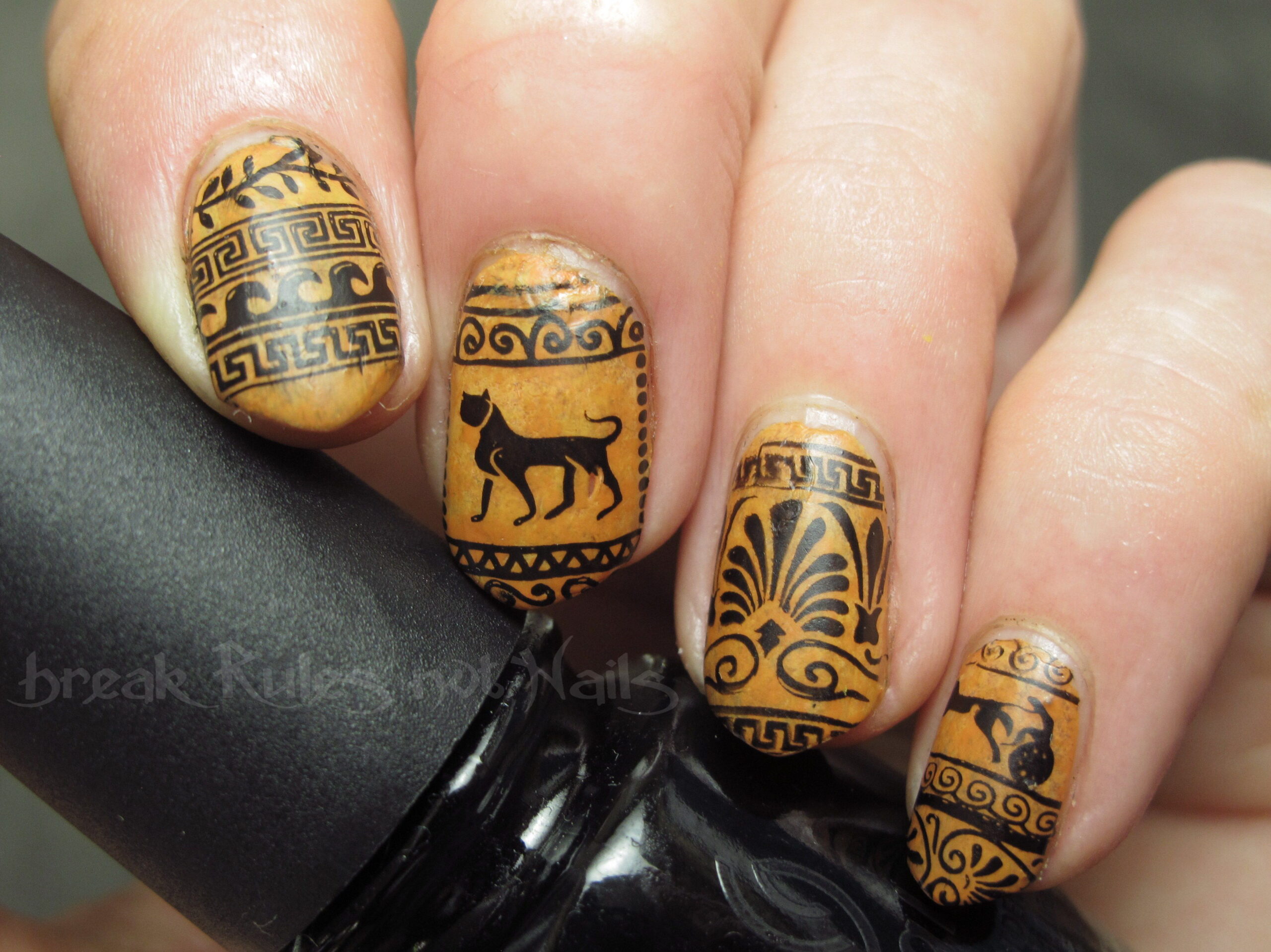
Have you ever examined a contemporary nail clipper and thought about how people cut ancient nails. How did individuals trim their nails in ancient days without stainless steel cutters, electric buffers, or nail spas? Did they merely allow their nails to grow, or did they possess their own grooming customs?
The responses are unexpectedly intriguing.
The history of Ancient Nails goes beyond merely being a narrative about personal cleanliness. Throughout time, nails have represented affluence, authority, social standing, and cultural identity. Long before contemporary beauty products were available, individuals invented inventive methods to cut, clean, form, and embellish their nails with natural substances and hand-crafted instruments.
This guide examines the full history of nail grooming, spanning ancient cultures to contemporary manicure methods. You will explore the instruments utilized, the resources they depended on, the customs related to nail maintenance, and how historical techniques stack up against modern nail practices.
What Was the Significance of Ancient Nails?
Did people in ancient times actually pay as much attention to their nails as we do now?
In numerous instances, they showed even greater concern.
Neatly maintained nails frequently indicated:
- Social rank
- Wealth and leisure
- Cleanliness
- Personal discipline
- Religious purity
- Military status
Taking care of one’s nails was frequently a visible sign of prestige for warriors, priests, nobles, and rulers. The history of ancient nails demonstrates that grooming had great cultural significance and was rarely merely about beauty.
How Did People Cut Nails in Ancient Times?
This is the most frequently asked question in the history of nail care.
The response varied based on the culture, accessible resources, and socioeconomic status. Early humans employed numerous tools and methods, from edged stones to gold grooming kits. Ancient Civilizations’ Nail Tools from the Past
1 . Adept Blades and Chert Implements: Prior to the widespread use of metalworking, individuals utilized sharpened stones and flint to scrape, trim, or shape their nails.
These basic tools were surprisingly efficient and signify some of the earliest recognized old nail implements.
2. Bronze and Copper Tools: With the progression of metalworking, tools made from bronze and copper gained popularity for grooming.
Individuals employed small blades, scrapers, and shaping tools to care for their nails more accurately.
3 . Gold Nail Care Kits: Archaeologists unearthed opulent gold manicure instruments in ancient Babylon, originating from approximately 3200 BCE.
These findings indicate that high-status societies regarded nail care as a significant aspect of individual appearance.
4. Compact Knives and Blades: Numerous ancient societies used small blades for personal grooming. These instruments operated similarly to contemporary multifunctional manicure tools.
Egyptian Nails of Antiquity: Aesthetic and Hierarchy
In conversations about Ancient Nails, Egypt cannot be overlooked. The ancient Egyptians were some of the earliest individuals recognized for their advanced nail care practices.
Did Egyptians Cut Their Nails?
Yes. Egyptians regularly trimmed and shaped their nails using copper and bronze tools. Nail care was considered part of overall hygiene and beauty.
What Materials Did Egyptians Use for coloring their nails?
- Henna
- Natural pigments
- Plant-based dyes
- Oils for conditioning
- Copper and bronze grooming tools
Did Nail Color Show Social Status?
Absolutely.
In historical periods, the color and length of nails served as clear indicators of social status, authority, and rank. In various prominent civilizations, certain hues and elaborate nail care were legally designated for royalty, while lower classes were prohibited from using them. The representation of social hierarchy differed by area:
- Ancient Egypt: Leaders used henna to color their nails, with the intensity of the hue indicating their social rank. Pharaohs and queens donned rich, vivid reds (such as ruby and terracotta) to represent their authority and divine heritage, while those of lower status were limited to pale pastel or nude shades.
- Ancient China: Starting approximately 3000 BC, the governing class created lacquers using beeswax, egg whites, and petals from flowers. In the Zhou and Ming dynasties, colors such as gold, silver, metallic hues, and deep black were exclusively designated for the aristocracy. Commoners discovered donning these prohibited colors encountered harsh penalties, occasionally including execution.
Nobles also allowed their fingernails to grow exceedingly long, safeguarded by golden nail covers, to clearly demonstrate they were exempt from manual labor.
- Ancient Babylonia: In Ancient Babylonia, the social status of warriors was frequently shown through their nails. Men decorated their nails with kohl—a dark powder—with black designated for the upper-class nobility and green sported by commoners.
The Art of Long Nails:
How did ancient China influence nail grooming history? Chinese society placed enormous value on long, elegant nails.
Why Were Long Nails Important?
In ancient eras, long nails served mainly as strong status markers reflecting riches and aristocracy. Having long, untrimmed nails made physical tasks impossible, indicating that the owner did not need to perform manual labor and could afford a leisurely lifestyle.
The Significance of Long Nails in Social Hierarchy and Authority:
In ancient China, intellectuals, aristocrats, and royals cultivated their nails to extreme lengths (occasionally reaching six inches) to showcase their elevated status, intelligence, and physical cleanliness.
- Status Preservation: To safeguard these delicate emblems of wealth from damage, elites (especially imperial women in China) adorned themselves with ornate, jeweled nail protectors crafted from gold, silver, or jade.
- Cultural Traditions: In certain societies influenced by Confucianism, elongated nails served as a means to respect the physical body, viewed as a valuable gift from one’s parents.
- Wealth Assessment: In various cultures, the excessive length of an individual’s nails was directly linked to their level of wealth.
Although prominent men and women in ancient China are well-known for growing their nails long, other ancient cultures adopted various grooming practices. In ancient Greece and Rome, long nails were seen as indicative of a common laborer, prompting upper-class individuals to keep theirs very short to set themselves apart.
What Tools Did They Use?
- • Small metal blades
- Ivory grooming tools
- Bamboo implements
- Buffing materials
- Decorative nail guards
What Were Nail Guards?
Affluent people adorned elaborate gold, silver, or jade nail protectors to shield their long nails and showcase their wealth.
Ancient China also created initial versions of nail coloring with natural pigments and dyes.
Ancient Babylon: Combat and Fasteners
Can fighters be concerned about their nails?
Unexpectedly, affirmative.
Ancient Babylon offers one of the most intriguing episodes in Ancient Nails. The Earliest Recognized Manicure Instruments. Gold manicure kits found in Babylon are over 5,000 years old.
Why Did Warriors Color Their Nails?
Babylonian troops may have dyed their nails prior to combat, according to historical data. According to reports, different hues denoted military rank, transforming nail care into a show of strength and authority.
Practical Grooming in Ancient Greece and Rome
How were nails taken care of by the Greeks and Romans?
These civilizations prioritized refinement and cleanliness over ornate adornment, in contrast to Egypt and China.
How Were Nails Trimmed?
- Small knives
- Metal scrapers
- Files
- Polishing stones
- Bronze, ivory, and bone tools
What Did Well-Groomed Nails Represent?
Healthy, clean nails were considered signs of good hygiene, health, and social respectability. Materials Used in Ancient Nail Care
1.Metals
- Copper
- Bronze
- Iron
- Gold
- Silver
2.Natural Stones
Sharpened stones remained useful for centuries before metal tools became widespread.
3.Wood and Bamboo
Wooden and bamboo implements were often used for cleaning and maintaining nails.
4.Plant-Based Products
- Henna
- Olive oil
- Herbal extracts
- Natural pigments
These ingredients nourished nails while also enhancing their appearance.
Nail Grooming Traditions Across Cultures:
Status and Wealth
In Egypt and China, the look of nails frequently indicated social status.
- Spiritual Cleanliness: Certain cultures linked clean nails to religious purity.
- Military Identity: Babylonian fighters utilized nail color to indicate status and preparedness.
- Beauty Routines: Nail maintenance was often linked with skincare, hair care, and makeup practices.
Nail Care During the Middle Ages:
In what ways did people care for their nails during the Middle Ages, and what happened to the historical nail customs that flourished in civilizations like Egypt, China, and Rome? Even though the detailed nail care practices of earlier civilizations diminished in importance during medieval Europe, nail grooming did not disappear entirely.
Instead, it evolved to reflect the practical values and social practices of the time. During the Middle Ages, cleanliness and personal hygiene were highly valued, and short, well-maintained nails were regarded as signs of good health and proper grooming. Long nails, once representing status in specific ancient cultures, were often associated with labor, poor cleanliness, or neglect.
People often used simple grooming devices such as small knives, files, and metal implements to trim and clean their nails. Although decorative nail art and bright colors were less common than before, royalty and aristocrats still prioritized their appearance and maintained well-groomed nails as part of their personal care routines.
The transition from the lavish nail practices of ancient civilizations to the more practical techniques of the Middle Ages represents an important period in the history of ancient nails, highlighting how cultural values and societal issues influenced nail care routines throughout history.
What Tools Were Utilized?
- Little blades
- Filer
- Basic grooming tools
Royalty and nobility continued to care for their nails meticulously, but intricate nail designs became less frequent.
Why did nail care become fashionable again? The Birth of Modern Manicure History:
The Renaissance honored beauty, artistry, and individual cultivation. Individuals started utilizing tools made of ivory, gold, and silver for grooming and styling their nails.
Women in Paris used suede pads to buff their nails and applied lemon juice for strengthening—methods that still find relevance today.
The Emergence of Contemporary Manicure History
How did the beauty rituals of ancient nails evolve into the modern manicure services weidentify today? The roots of modern manicure history can be traced back to the late eighteenth and nineteenth centuries, when nail care evolved from a simple hygiene practice to an established beauty routine.
Egypt, China, and Rome’s ancient civilizations employed handmade tools, natural dyes, and oils for nail maintenance, while modern innovations have introduced specialized manicure instruments, nail files, cuticle tools, and professional techniques.
A major advancement occurred when Doctor Sits developed a polished wooden manicure stick, replacing the more abrasive metal tools that were previously employed for nail maintenance.
Later, pioneers like Mary E. Cobb transformed nail care into a professional offering by showcasing intricate manicures that included:
- Immersing the fingers
- Cutting the nails
- Smoothing and contouring
- Using protective enamel
In 1878, she launched one of the initial professional manicure salons in New York. She subsequently contributed to the popularity of the emery board, which is still an essential nail tool today.
These developments formed the basis for modern nail salons and the beauty industry. Although modern manicures employ sophisticated products and techniques, their origins can still be traced back to the practices of ancient nail care, showing that the pursuit of healthy, attractive, and maintained nails has long been a significant part of human culture.
How Modern Nail Polish Began:
When did nail polish become popular? Automobile paint technology spurred innovation in cosmetics at the beginning of the 20th century.
Modern nail color emerged as a result of the adaptation of nitrocellulose-based compositions into liquid nail polish. During this period, numerous businesses contributed to the globalization of nail polish as a cosmetic product.
Ancient Nails vs Modern Nail Care:
| Ancient Methods | Modern Methods |
| Handmade tools | Stainless steel clippers |
| Natural dyes | Gel polish |
| Manual shaping | Electric files |
| Plant oils | Professional treatments |
| Simple grooming kits | Full-service nail salons |
What Has Stayed the Same?
Despite thousands of years of change, several principles remain constant:
- Clean nails are important.
- Grooming reflects self-care.
- Nails influence personal appearance.
- Healthy nails require regular maintenance.
- People enjoy expressing identity through nail care.
These timeless ideas connect modern beauty routines with the traditions of Ancient Nails.
To cut and shape their nails, the ancient people employed sharpened stones, bronze blades, copper tools, tiny knives, and specialized grooming tools.
Around 3200 BCE, some of the first grooming tools ever found were found in Babylon. Among them were gold manicure tools.
Indeed. As part of their cleanliness and beauty regimens, the ancient Egyptians frequently used copper and bronze grooming tools to keep their nails.
Copper, bronze, gold, silver, iron, wood, stone, henna, olive oil, and plant-based extracts were often used materials.
In many ancient societies, nails were frequently used as symbols of social standing, hygiene, prosperity, power, and personal upkeep.
While traditional procedures relied on handcrafted equipment and natural chemicals, modern nail care includes sophisticated tools like stainless steel clippers, electric files, gel systems, and salon treatments.
Conclusion:
An amazing journey across human history is revealed in the tale of Ancient Nails. Examining how individuals trimmed their nails in the past reveals that taking care of one’s nails has never been a simple task. Across cultures, it has represented rank, beauty, power, cleanliness, and self-expression.
Long before there were modern nail salons, ancient people devised sophisticated techniques for preserving their nails, from Chinese nail protectors and Roman grooming kits to Egyptian henna rituals and Babylonian gold manicure sets.
Even while modern instruments are more sophisticated, many traditional values—cleanliness, uniformity, and care—remain equally important. The history of nails serves as a reminder that even seemingly little grooming practices can have a significant societal impact.