What is Nail Polish?
History of Nail polish, nail varnish, or nail finish are terms used to describe the application of an enhancing coating to fingernails or toenails in order to improve look and protect the nail surface. Its composition has advanced over eras to increment security, gloss, and strength. In arrange to include surface, color, and quality, cutting edge nail clean regularly combines natural polymer with shades, solvents, and extra fixings. Accessible in endless shades and wraps up, nail clean is a fundamental component of manicures and pedicures around the world.
Nail Clean Types:
The improvement of item assortments is another viewpoint of nail clean history. The most broadly utilized sorts these days are:
1. Standard Nail Clean:
This conventional arrangement, which is connected in two to three coats and offers assortment of colors and wraps up, dries in generally fifteen to twenty minutes.
2. Matte Nail Clean:
Gives a smooth, non-shiny wrap up for a more inconspicuous and modern appearance.
3. Metallic Nail Clean:
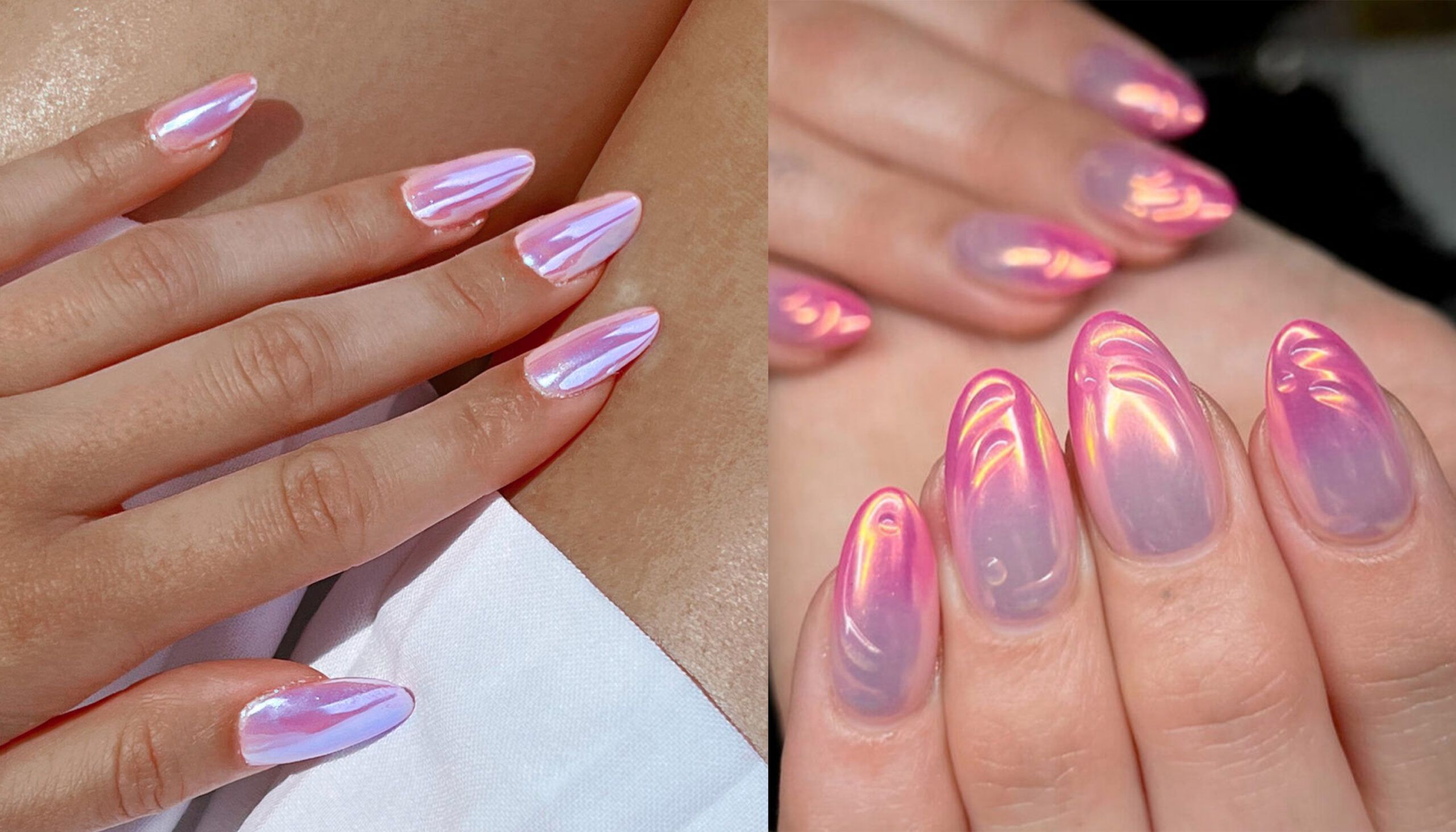
For uncommon events or brave styles, metallic nail clean includes glitz and sparkle with its reflected gleam particles.
These assortments illustrate the ways in which advancement has affected nail clean history over time.
Origins of Nail Polish:
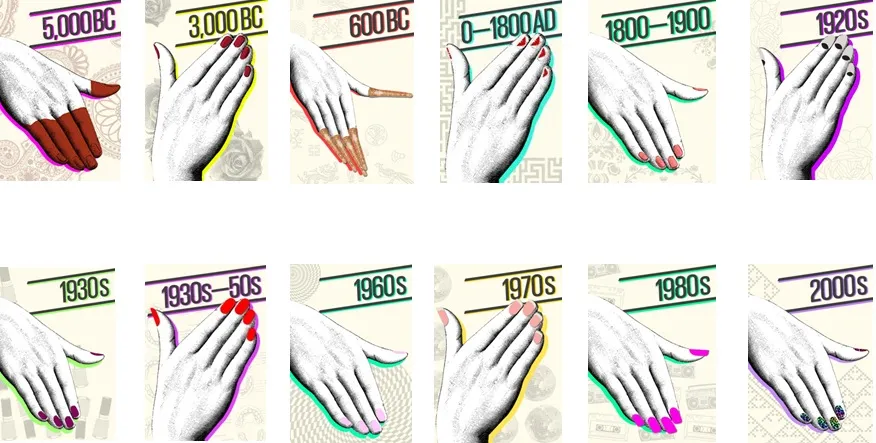
The most punctual records of the history of nail clean follow back to antiquated China around 3000 BCE. High-ranking individuals and royals colored their nails with a combination of beeswax, gelatin, egg whites, and characteristic plant and bloom colors. A few colors, like dark and profound blood red, were lawfully taboo for individuals of lower social classes, whereas others were as it were worn by the solid and wealthy.
The hone expanded to the Center East, Africa, and India, among other places. Henna was commonly utilized to tint nails in antiquated Egypt. Agreeing to verifiable sources, embalmed pharaohs were found with henna-stained fingertips, and indeed Cleopatra was known to favor distinctive ruddy nail colors. Henna has been a conventional adornment in India and Africa, meaning social legacy, allure, and prestige.
Contemporary Evolution:
The late 19th and early 20th centuries saw a sensational move in the history of nail clean. The to begin with nail salon in the Joined together States was built up in Manhattan in 1878 by Mary Cobb, who charged $1.25 for manicures, which rapidly picked up colossal notoriety. Nitrocellulose was afterward brought to American markets by the Joined together States through the securing of German chemical licenses amid World War I. The age of modern nail clean started in the 1920s when French excellence craftsman Michelle Ménard, who worked for the trade that would afterward gotten to be Revlon, created one of the to begin with fluid varnishes modeled after vehicle polish.
Important Lessons Learned from the History of Nail Polish
1.More than 5,000 years ago, nail polish was created.
2. Social lesson was demonstrated by nail color in old Egypt.
3. The to begin with U.S. nail salon opened in 1878.
4. They taken a toll of an early nail trim is as it were $1.25.
5. The to begin with fluid nail paint was discharged by Cutex.
6. Nail art was revolutionized when a dentist created acrylic nails.
The History of Nail Polish:
Power, culture, innovation, and design are all reflected in the incredible nail clean history. What started out as a distinguished privilege has developed into a common yearning for magnificence. Advanced high-performance enamels and old plant-based stains are as it were two cases of how nail clean has changed over time whereas holding its affiliation with singularity and self-expression.
As time went on, these nail-coloring conventions spread to districts counting India, Africa, and the Center East, with henna developing as the favored strategy for making dynamic, long-lasting nail tints in antiquated Egypt. Agreeing to verifiable accounts, Cleopatra and other extraordinary people utilized profound dark red colors to speak to quality and distinction. The social noteworthiness of nail ornamentation has been affirmed by archeological disclosures that indeed appear mummy pharaohs with colored nails.
The Roots of Modern Nail Polish:
Natural colors were utilized by early social orders, but nail clean as we know it presently created impressively afterward. The 1920s stamped a noteworthy turning point in the advancement of nail clean. French magnificence craftsman Michelle Ménard designed a pigmented polish that gave nails a smooth, shiny surface, drawing motivation from the shiny luster of car paint. The premise for advanced nail clean formulae was built up by this breakthrough.
By the 1930s, cosmetic companies were using coordinating brushes to fabricate commercial nail paint in glass bottles. Classic shades such as ruddy and pink rapidly got to be elegant, particularly amid Hollywood’s brilliant period. The commerce that would afterward gotten to be Revlon was instrumental in making fluid nail finish broadly accessible and in making nail clean a commonplace cosmetic.
The Joined together States’ growth:
In 1878, Mary Cobb propelled the to begin with nail salon in Manhattan, stamping however another critical turning point in the history of nail paint. Her $1.25 buff-and-shine manicures made proficient nail care open to American women.
German chemical licenses were made accessible to the Joined together States amid World War I, making nitrocellulose—An substance afterward utilized in nail lacquer—available. This breakthrough made nail innovation indeed more progressed and made glossier, longer-lasting wraps up conceivable. Equations were progressed over time to increment color variety, strength, and safety.
A Transformation in Ingredients:
The history of nail clean has been significantly affected by modern improvements. Cutting edge formulae are made with maintainability and security in intellect in expansion to aesthetics. Destructive substances including formaldehyde, toluene, and DBP have been eliminated from many items as knowledge of wellness has grown. Numerous businesses presently give vegetarian, cruelty-free, and naturally inviting solutions.
Gel and half bread shines, which combine speedy curing beneath UV or Driven lights with amplified wear, have moreover picked up notoriety. These advancements appear how innovation is still impacting the improvement of nail products.
Present-Day Designs (2025–2026):
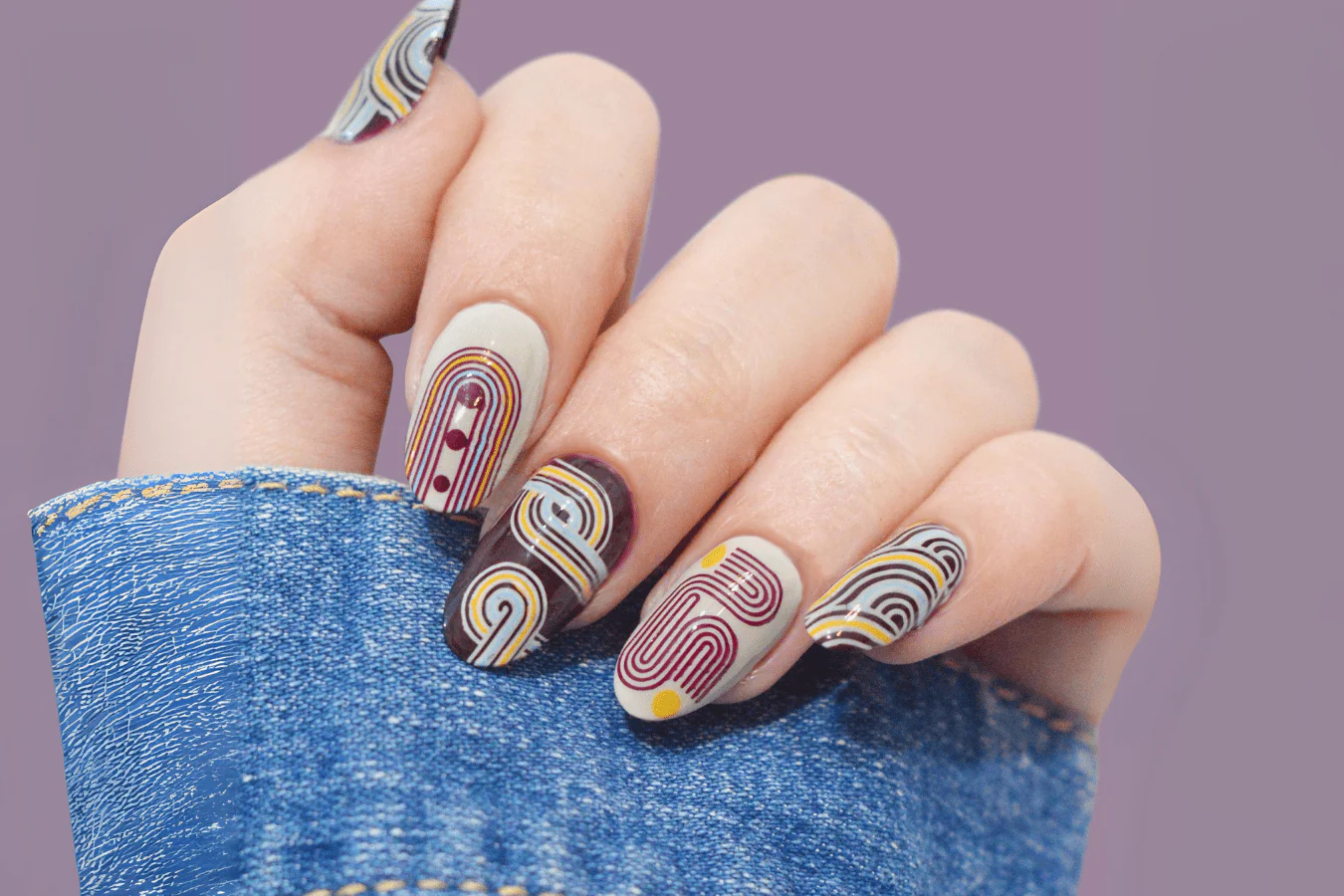
Trends in later a long time have emphasized uniqueness and classy style. Since they see normal, tender redden tones, velvety tones, and sheer wraps up are favored. Be that as it may, wealthier tones like burgundy, coffee brown, midnight dark, and repressed plum give a striking however rich appearance. A contemporary twist is added by cool hues like dusty blue and sage green.
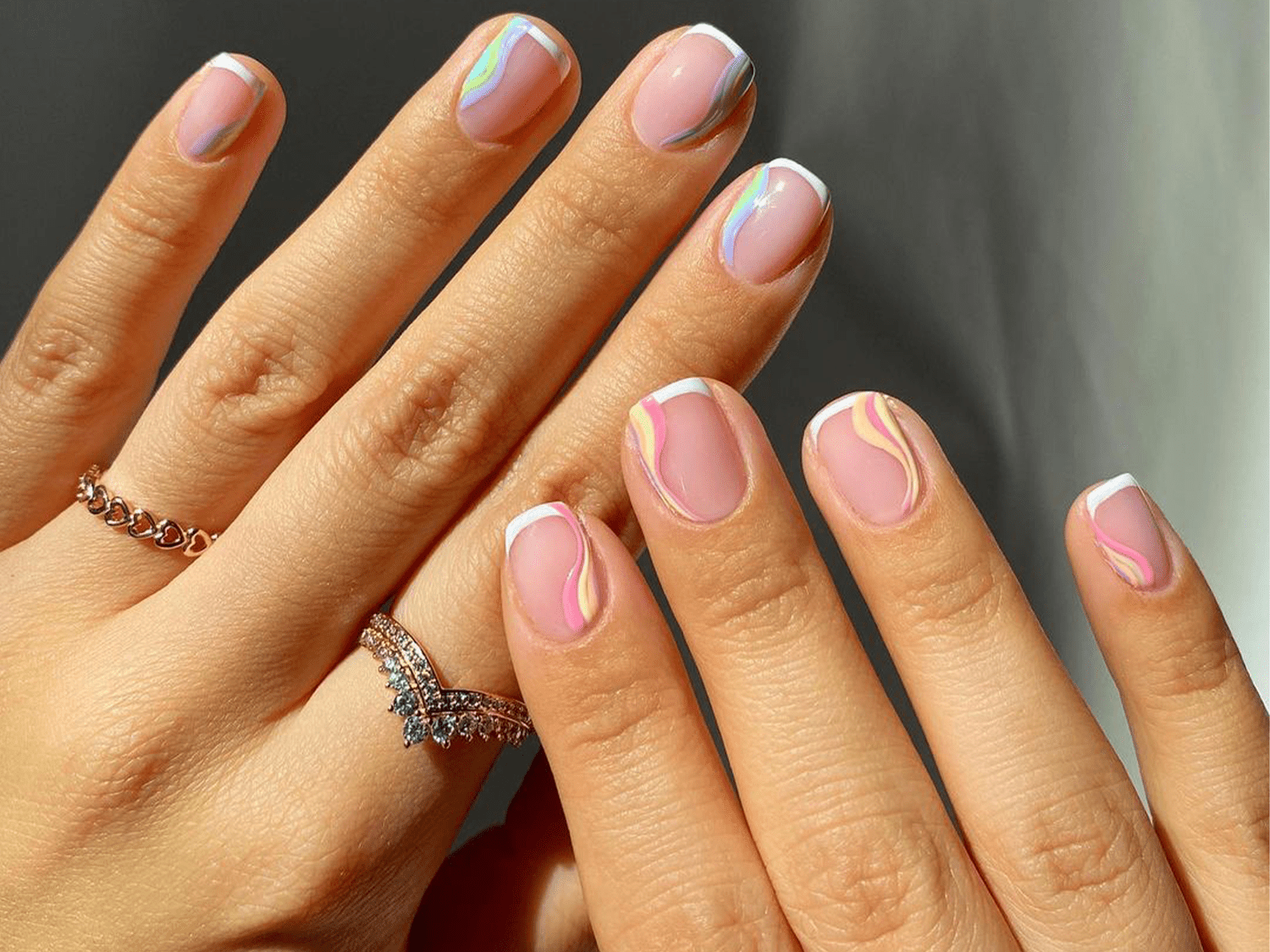
Shorter, well-shaped nails are getting to be more well known due to their clean appearance, but chrome wraps up, metallic embellishments, and moderate nail craftsmanship designs are still in fashion. These modern tastes, which combine creativity and effortlessness, stamp the most later stage in the history of nail polish.