
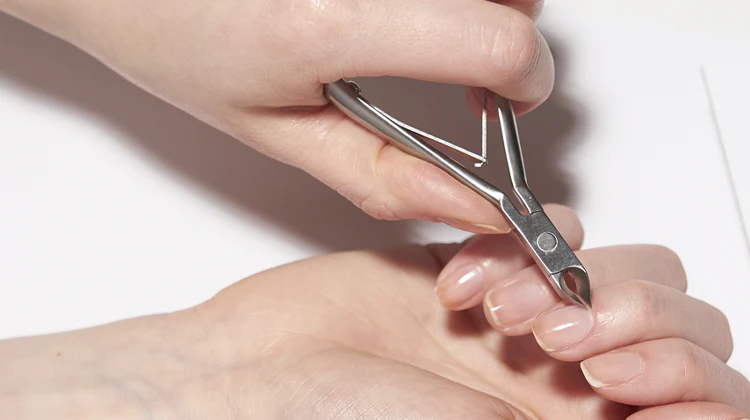
Nail Tools Mistakes Beginners Should Avoid
Introduction
Nail Tools Mistakes, using nail tools correctly is essential for maintaining healthy nails, avoiding injuries, and achieving neat, professional-looking results. Many beginners unknowingly make Nail Tools Mistakes that can lead to nail damage, infections, or painful skin issues. Understanding proper tool use from the start helps prevent these common problems.
One of the biggest consequences of Nail Tools Mistakes is the increased risk of infections. Improperly used or poorly maintained tools can spread bacteria, fungi, and viruses around the nail bed and surrounding skin. Correct usage and hygiene practices play a key role in protecting nail health.
Proper technique also helps preserve the natural strength and structure of nails. Using the wrong tools or applying excessive pressure can cause thinning, splitting, or long-term damage to the nail matrix. Avoiding basic Nail Tools Mistakes ensures nails remain strong, smooth, and healthy.
In addition, correct tool handling reduces the chance of painful injuries such as cuts, torn cuticles, or ingrown nails. Beginners who learn to avoid common Nail Tools Mistakes not only protect their nails but also extend the lifespan of their tools through proper care and use.
Overall, learning how to use nail tools correctly is the foundation of safe nail care. Avoiding Nail Tools Mistakes helps maintain hygiene, improve results, and build confident nail care habits from the beginning.
Common Nail Tool Mistakes Beginners Make
Many beginners struggle with nail care because they are unaware of proper hygiene practices and correct tool usage. These Nail Tools Mistakes can lead to weak nails, infections, and long-term damage if not addressed early.
1. Lack of Basic Hygiene and Maintenance
One of the most common Nail Tools Mistakes is neglecting proper tool hygiene. Failing to clean metal tools after each use allows bacteria and fungi to build up, increasing the risk of nail and skin infections. Beginners also often store tools in humid areas, which promotes rust and microbial growth.
Sharing nail tools, even with close contacts, is another hygiene-related Nail Tools Mistake that can spread infections. Using dull or worn-out tools further damages nails by tearing rather than cutting cleanly, while overusing disposable files and buffers increases contamination risks.
2. Using the Wrong Tool or Incorrect Technique
Using tools for purposes they are not designed for is a frequent Nail Tools Mistake among beginners. Filing nails in a back-and-forth motion weakens the nail edges, while cutting too much of the cuticle removes the nail’s natural protective barrier.
Beginners also commonly choose the wrong file grit, apply excessive pressure with electric nail files, or use their nails as tools for everyday tasks—leading to cracks and breakage. Trimming nails when they are completely dry can cause splintering, and skipping base or top coats results in staining and premature chipping.
By recognizing and avoiding these common Nail Tools Mistakes, beginners can protect nail health, improve results, and build safe nail care habits from the start.
Skipping Proper Cleaning and Disinfection
One of the most serious Nail Tools Mistakes beginners make is skipping proper cleaning and disinfection. Unclean nail tools quickly become carriers of bacteria and fungi, turning routine nail care into a health risk.
Why Dirty Tools Cause Infections
Dirty nail tools don’t just look unhygienic—they can actively spread infections. When tools are not cleaned properly, microorganisms attach to their surfaces and multiply, making them harder to eliminate.
- Direct infection: Tools contaminated with skin residue or dried fluids can transmit bacteria and fungi when they touch nails or skin.
- Broken skin exposure: Even small cuts allow microbes to enter the body, increasing infection risk.
- Cross-contamination: Using the same tool on different nails or people without disinfecting spreads germs easily.
- Bacterial buildup: Repeated use without cleaning allows microbes to grow and survive between sessions.
These are common Nail Tools Mistakes that beginners often underestimate.
Basic Hygiene Rules for Beginners
Avoiding hygiene-related Nail Tools Mistakes starts with a simple, consistent routine:
- Clean before disinfecting: Wash tools with soap and water to remove debris before applying disinfectant.
- Follow contact time: Disinfectants need time to work—don’t wipe them off too quickly.
- Disinfect after every use: Tools should be sanitized after each session.
- Dry tools completely: Moisture encourages bacterial growth.
- Use disposable items when possible: Single-use files and buffers reduce contamination risks.
- Store tools properly: Keep clean tools in closed, dry containers.
- Protect yourself: Use gloves when handling chemicals or cleaning tools.
By understanding and avoiding these hygiene-related Nail Tools Mistakes, beginners can protect their health, improve nail results, and build safe nail care habits from the start.
Using the Same Tools for Multiple Purposes
One of the most common Nail Tools Mistakes beginners make is using a single tool for tasks it was not designed to perform. Nail tools are carefully designed for specific functions, and misusing them often leads to damaged tools, poor nail results, and avoidable injuries.
Damage Caused by Improper Tool Use
Using nail tools incorrectly or interchangeably can cause multiple problems. For example, using nail clippers to cut cuticles, using metal pushers to scrape polish, or using files to pry gel polish can permanently damage both the tool and the nail. These Nail Tools Mistakes often result in bent tools, dull edges, or broken tips.
Improper tool use can also harm nails and skin. Tools may slip when used incorrectly, causing cuts, torn cuticles, or nail plate damage. Applying excessive pressure with the wrong tool can thin the nail, create painful sensitivity, or lead to infections if the skin barrier is broken. Repeated misuse may also cause hand strain or discomfort due to poor grip and awkward hand positioning.
How to Match Nail Tools to Their Correct Function
Avoiding these Nail Tools Mistakes starts with understanding each tool’s purpose. Always use nail clippers for trimming nails, nippers only for loose, non-living cuticle skin, and files strictly for shaping nail edges. Choose the correct file grit for the task and never substitute one tool for another.
Before each use, inspect tools for dull edges, damage, or rust, as worn tools increase the risk of injury. Follow manufacturer guidelines and apply gentle, controlled pressure to maintain safety and precision. Using the right tool for the right task not only prevents Nail Tools Mistakes but also improves nail health, results, and tool longevity.
Cutting or Over-Trimming Cuticles
Cutting or over-trimming cuticles is one of the most common Nail Tools Mistakes beginners make. Although it may create a temporarily clean appearance, removing this sensitive skin weakens the nail’s natural defense system and increases the risk of long-term nail problems.
Why Cuticles Should Be Treated Carefully
The cuticle acts as a protective barrier that seals the space between the nail plate and surrounding skin. When this barrier is cut, bacteria and fungi can enter the nail bed more easily, leading to swelling, redness, and infections. Another serious Nail Tools Mistake is damaging the nail matrix beneath the cuticle, which can result in uneven nail growth, ridges, or white spots. Over-trimming also dries out the skin, often causing more hangnails and encouraging repeated cutting.
Safer Alternatives to Cutting Cuticles
Avoiding cuticle-related Nail Tools Mistakes starts with gentler care methods. Instead of cutting, soften cuticles after a warm shower and gently push them back using a wooden stick or rubber pusher. Keeping cuticles hydrated with oil or cream helps prevent dryness and cracking. Only trim loose, non-living skin if necessary, and always use sanitized tools. Cuticle remover products can also be used to dissolve dead skin safely without damaging living tissue.
Improper Storage of Nail Tools
Improper storage is one of the most overlooked Nail Tools Mistakes, yet it can completely undo proper cleaning and disinfection efforts. When nail tools are stored incorrectly, they can quickly become contaminated, damaged, or unsafe to use.
Storing Tools While Damp
Storing nail tools before they are fully dry is a serious Nail Tools Mistake. Moisture left on metal tools encourages rust formation, especially around hinges, joints, and textured handles. Damp conditions also allow bacteria and fungi to grow, increasing infection risks and reducing tool effectiveness. Over time, repeated exposure to moisture dulls tools and shortens their lifespan. To avoid this, tools should always be dried thoroughly with a clean cloth or allowed to air-dry completely before storage.
Mixing Clean and Dirty Tools
Another critical Nail Tools Mistake is storing clean tools together with used or unsterilized ones. This practice leads to cross-contamination, where bacteria from used tools spread to sanitized tools, making the entire storage area unsafe. Proper storage requires separating clean and used tools at all times. Clean tools should be kept in closed, labeled containers, while used tools should be placed immediately in a designated tray for cleaning and disinfection.
Avoiding these common Nail Tools Mistakes by drying tools properly and keeping clean and dirty tools separate helps maintain hygiene, prevent infections, and protect the quality of nail tools.
How Beginners Can Build Safe Nail Tool Habits
Building safe nail tool habits starts with simplicity, consistency, and proper hygiene. Many beginners fall into avoidable Nail Tools Mistakes by using low-quality tools, skipping sanitation, or applying excessive force. Focusing on cleanliness and gentle techniques helps protect both nail health and personal safety.
Beginner-Friendly Nail Tool Essentials
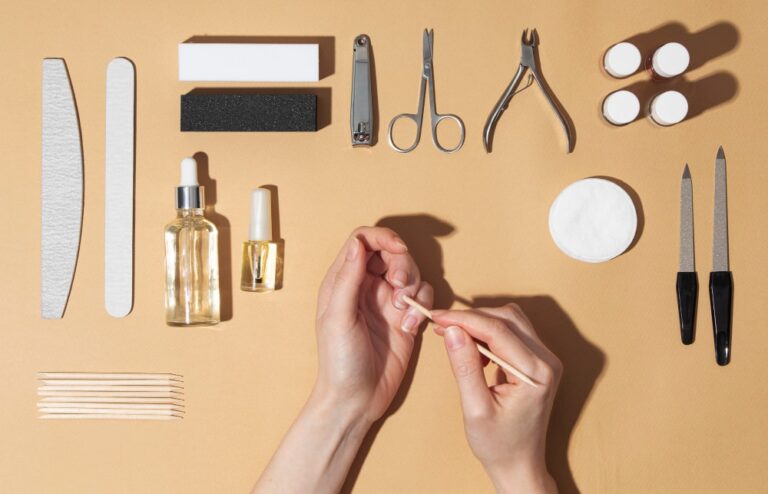
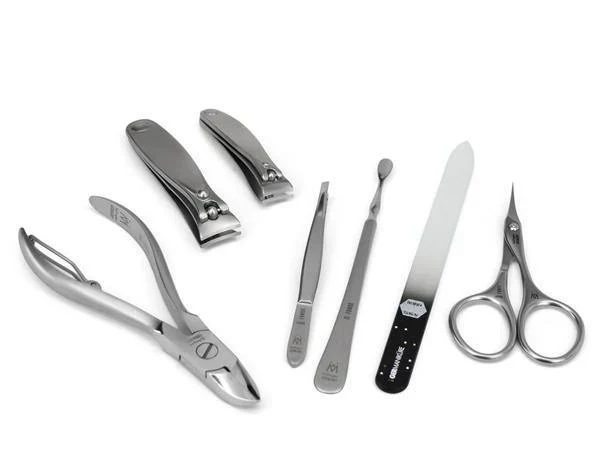
To avoid common Nail Tools Mistakes, beginners should start with a small, reliable set of tools designed for safe use. Separate clippers for fingernails and toenails help prevent hygiene issues and ingrown nails. Glass or crystal nail files are ideal for beginners because they are gentle on the nail edge and easy to sanitize. A soft buffer block can smooth nails without thinning them, while rubber or wooden cuticle pushers reduce the risk of nail bed damage. Cuticle nippers should only be used to trim loose, dead skin—not living cuticles. A soft nail brush, nourishing cuticle oil, and basic sanitizing supplies like isopropyl alcohol complete a safe starter kit.
Simple and Safe Nail Care Routine
Avoiding daily Nail Tools Mistakes requires a simple routine. Always wash hands before nail care and disinfect tools after every use. Metal tools should be cleaned and sanitized regularly, while disposable items should be replaced once worn. Gentle cuticle care—softening, moisturizing, and lightly pushing back—is safer than cutting. Filing nails in one direction helps prevent splitting, and proper storage of clean, dry tools in a closed container reduces contamination risks.
By choosing the right tools and following a basic routine, beginners can avoid common Nail Tools Mistakes, maintain healthy nails, and develop safe nail care habits with confidence.
Conclusion
Learning how to use nail tools correctly is essential for healthy nails and personal safety, especially for beginners. Most nail problems start with simple Nail Tools Mistakes such as poor hygiene, improper tool use, or careless storage.
By focusing on basic cleanliness, using the right tools for the right tasks, and adopting gentle techniques, beginners can avoid damage, infections, and unnecessary injuries. Building safe nail tool habits does not require complex routines—just consistency and awareness.
Avoiding common Nail Tools Mistakes helps protect nail health, improves results, and builds confidence in nail care. With the right approach, nail tools become helpful tools rather than sources of harm.
2 Comments