Nail Tools for Beginners – Complete Starter Guide
Table of Contents
Nail Tools for Beginners – Starting your at-home nail care journey can feel exciting yet confusing—especially when you’re faced with endless nail kits and tools. Many beginners either buy too much, miss essential items, or invest in tools they don’t actually need.
The goal of this Essential Nail Tools for Beginners tutorial is to streamline the procedure and assist you in creating a useful, efficient nail care regimen that produces salon-quality, long-lasting, and clean results at home.
Whether you’re a beauty enthusiast, a beginner nail artist, or someone simply focused on nail health, understanding the right tools makes all the difference.
Essential Nail Care Tools Guide for Beginners:
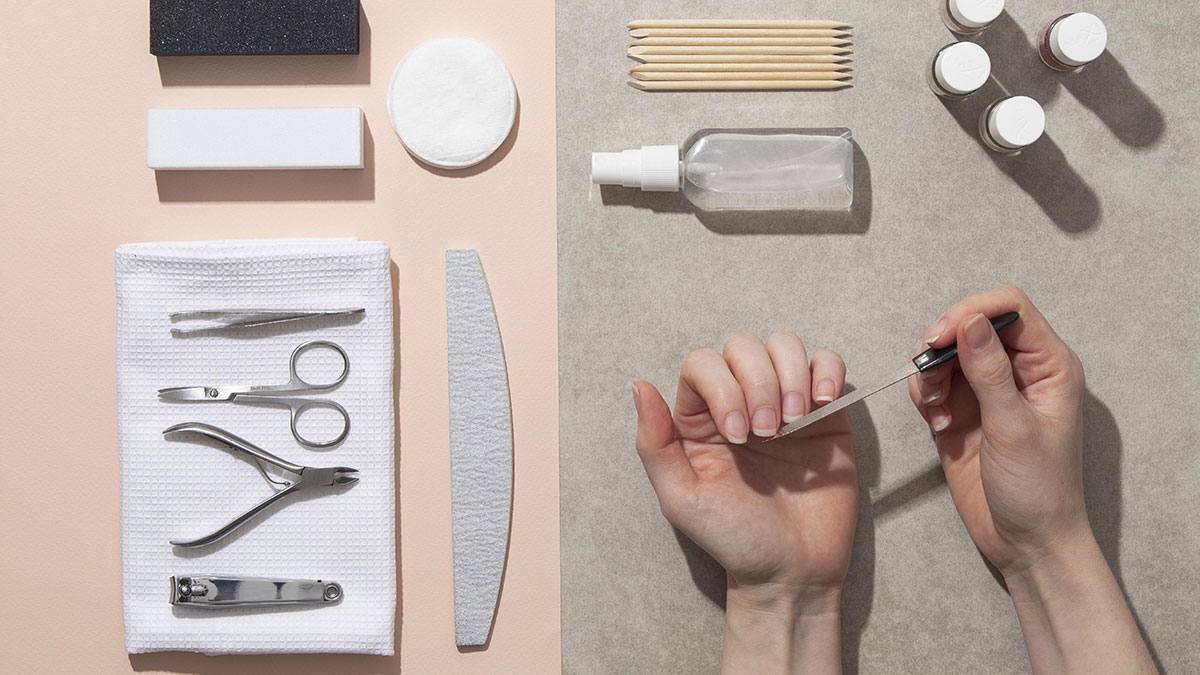
When it comes to nail care, quality matters more than quantity. These basic tools form the foundation of every successful manicure and should be part of every beginner’s kit:
- Nail Clippers
Used to trim nails evenly and maintain a healthy length without causing splits or cracks. - Nail File Set (Multiple Grits)
Helps shape nails smoothly and prevent rough edges. Lower grits are ideal for artificial nails, while higher grits work best for natural nails. - Cuticle Pusher
Gently pushes back cuticles to create a clean nail bed and improve polish application. - Cuticle Nipper
Removes only loose or excess cuticle skin—never live cuticle—to keep nails neat and healthy.
Starting with these essential nail tools for beginners ensures proper nail preparation and reduces the risk of damage or infection.
Why Routine Nail Care Is So Important:
Regular nail care is more than just a beauty habit—it’s an important part of personal hygiene and overall wellness. Nails can reflect your internal health, and neglected nails are more prone to weakness, breakage, and infection.
Healthy, well-groomed nails enhance your appearance, boost confidence, and add a polished touch to your hands and feet. Just like skin and hair, nails require consistent care to stay strong, clean, and attractive.
A simple routine using the right tools can prevent common nail problems and keep your nails looking their best year-round.
What Beginners Should Know Before Buying Nail Tools
Before investing in nail tools, beginners should understand how quality and suitability affect nail health. Poor-quality or cheaply made tools can lead to nail splitting, irritation, or bacterial infections.
Here are a few key tips:
- Choose stainless steel tools for durability and easy sanitization
- Avoid oversized or expensive kits—start with the basics
- Select tools based on your nail type (soft, weak, peeling, or strong)
- Learn proper usage to prevent unnecessary damage
- Keep tools clean and disinfected after every use
Understanding your needs and starting small helps build a safe, effective nail care routine.
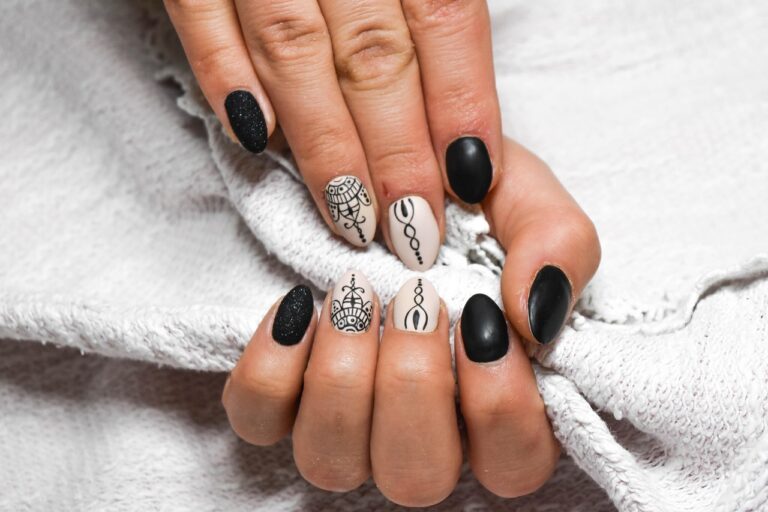
What Are Easy Nail Art Essentials?
Easy nail art essentials focus on simple tools and techniques that allow beginners to create clean, stylish designs without professional equipment. These essentials emphasize control, simplicity, and proper nail preparation rather than advanced tools.
Instead of complex devices, beginner nail art relies on:
- Well-prepped nails
- Basic tools
- Simple design elements
- Patience and practice
Learning these fundamentals helps beginners avoid common mistakes while building confidence and skill. Mastering easy nail art essentials also prepares you for more advanced techniques as you progress.
What Are the Basic Nail Tools?
If you’re just starting out, you don’t need a professional or expensive manicure kit. The key is understanding what are the basic nail tools and investing only in the essentials that support healthy, safe nail care. This list of essential nail tools for beginners covers everything you need to confidently maintain your nails at home.
Basic Nail Tools Every Beginner Should Have:
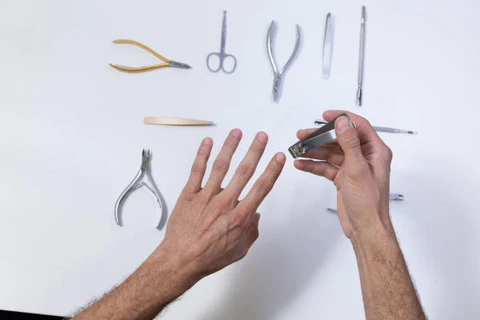
Nail Clippers (For Fingers and Toes):
Nail clippers are a must-have in any beginner nail kit. Fingernail clippers are smaller and designed for precision, while toenail clippers are larger and stronger to handle thicker nails. Using the correct clipper for each purpose helps prevent splitting and uneven trimming.
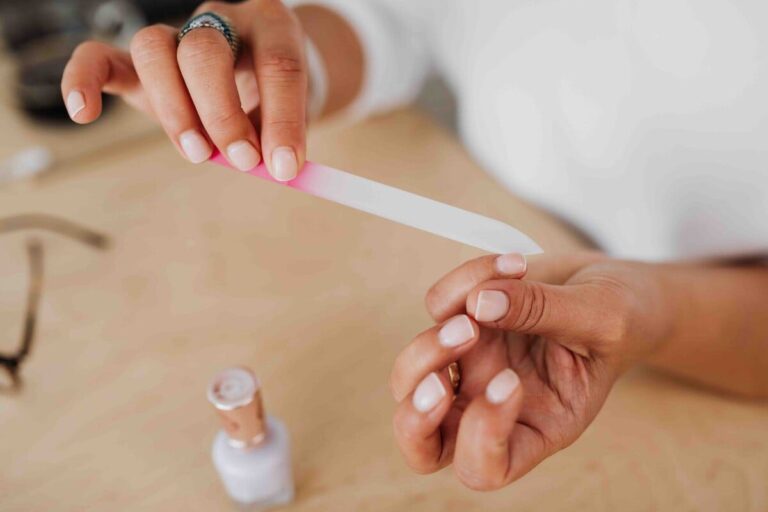
Nail File
A nail file is essential for shaping and smoothing nail edges after trimming. Beginners should start with a double-sided file that includes different grit levels—one side for shaping and the finer side for smoothing. Filing in one direction helps reduce breakage.
Cuticle Pusher
A cuticle pusher, made from metal or wood (such as an orangewood stick), gently pushes back dead cuticle skin toward the nail base. This creates a cleaner nail bed and makes nails appear longer and neater without damaging live skin.
Cuticle Nipper
Cuticle nippers are used only for trimming excess dead skin, hangnails, or rough edges. Beginners should use this tool carefully and avoid cutting live cuticles to prevent pain, bleeding, and infection.
Additional Essential Nail Tools for Beginners:
Nail Buffer Block
A nail buffer block smooths uneven nail surfaces, reduces ridges, and enhances natural shine. Most buffer blocks have three or four sides with different grit levels, allowing gradual and gentle buffing without thinning the nail.
Cotton Pads & Acetone-Free Nail Polish Remover
These are essential for removing old polish, residue, and oils before starting your nail care routine. An acetone-free remover is recommended for beginners, as it prevents excessive dryness and helps maintain nail strength.
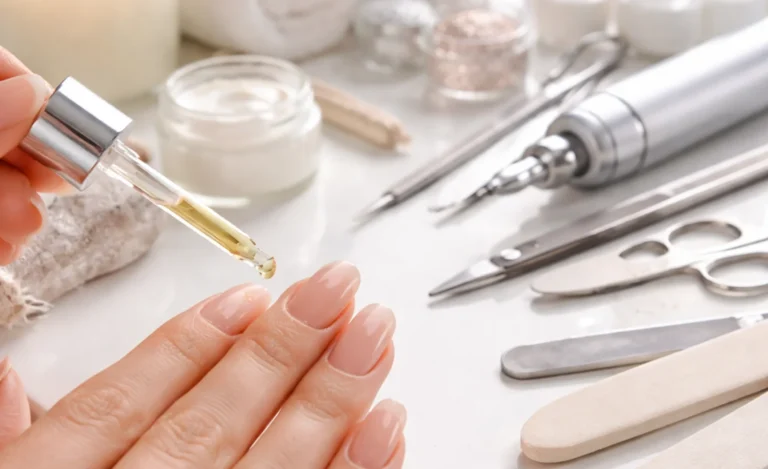
Cuticle Oil
Cuticle oil keeps the skin around your nails soft and hydrated. Regular use helps reduce dryness, cracking, and peeling while supporting healthy nail growth.
Hand and Foot Cream
Applying hand and foot cream at the end of your routine locks in moisture and keeps skin smooth, nourished, and well-conditioned. Consistent hydration improves both nail and skin appearance.
Optional Nail Tools for Beginners (Use as You Progress)
These tools are not essential at the start but can enhance results as your confidence grows.
Base Coat and Top Coat
A base coat enhances polish adherence and shields nails from discoloration. A top coat adds shine, seals color, and extends the life of your manicure.
Wooden Orangewood Sticks
These gentle tools are ideal for pushing back cuticles and cleaning nail edges. They are beginner-friendly and safer than metal tools for at-home use.
Nail Scissors
Nail scissors offer precise trimming, especially around corners or small hangnails, giving better control than clippers in certain situations.
Toe Separators
Toe separators are useful during pedicures, keeping toes apart to prevent smudging and ensure even polish application.
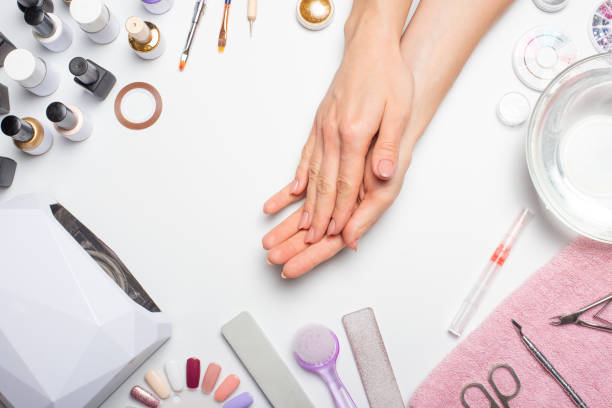
Nail Art Tools
Simple nail art tools like dotting tools, striping brushes, or stickers allow beginners to experiment with basic designs once they are comfortable with nail care basics.
Nail Tool Safety Tips for Beginners
Using essential nail tools for beginners safely is just as important as owning them. Proper hygiene and technique help protect your natural nails and prevent infections.
- Always clean and sanitize tools before and after each use
- Use gentle pressure—never force tools into the nail or cuticle area
- Never cut or remove cuticles completely, as they protect against infection
- Use the correct tool for each task to avoid tearing or splitting
- Avoid sharing nail tools with others
- Replace dull, rusted, or damaged tools immediately
- Stop using tools if you experience pain, redness, or irritation
Build a Strong Foundation with the Right Nail Tools:
Starting with the right essential nail tools for beginners allows you to grow your nail care routine safely and effectively. High-quality tools make a noticeable difference in results, durability, and overall nail health.
Focus on quality over quantity, maintain proper sanitization and storage, and practice each step with care. With regular use and the right tools, you can enjoy strong, shiny, and well-groomed nails—whether you prefer natural looks or simple nail art.
One Comment