
Nail File Types Explained – Which One Is Best for Your Nails?
Table of Contents
Introduction:
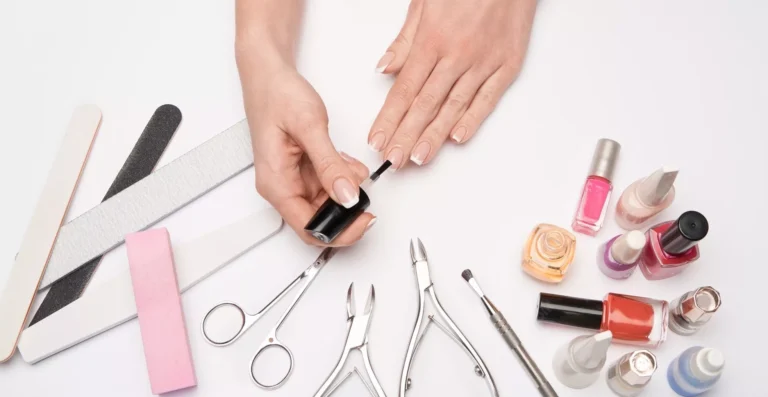
Nail File Types Explained, when it comes to nail styling and maintenance, choosing the right tools is just as important as using quality nail products. Nail files and buffers are available in a wide range of materials, shapes, sizes, and grit levels—each designed for a specific purpose. Understanding nail file types explained clearly can help you avoid nail damage and achieve better manicure results. A good nail file should feel comfortable in the hand, be durable, produce minimal dust, and most importantly, protect both the cuticles and the natural nail plate while shaping and smoothing the nails safely.
Types of Nail Files:
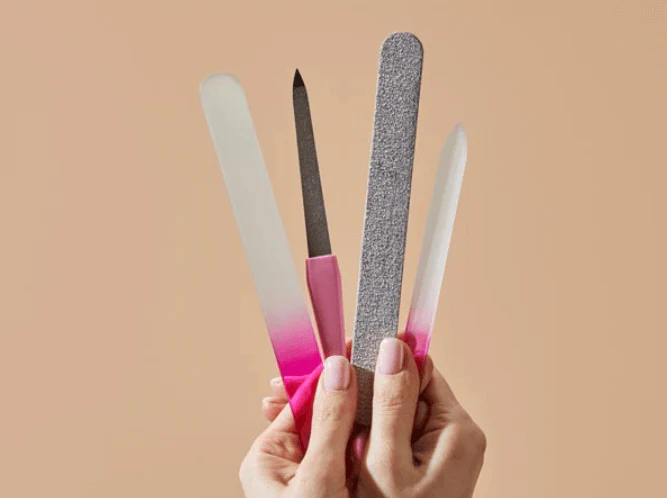
In the past, metal nail files were commonly used, but they are now less popular due to their tendency to cause nail splitting and peeling. Sapphire and Teflon files are known for their strength and durability, yet they can still be too abrasive for delicate nails.
Glass nail files have gained a better reputation because they are gentle, easy to disinfect, and ideal for natural nails when used at home. However, their fragile nature makes them less suitable for busy professional salons.
Paper-based nail files are among the most popular choices today. Thanks to modern manufacturing techniques, they are more durable than ever. Advanced coated files, such as Mylar nail files, offer significantly higher resistance to wear, are waterproof, and can withstand disinfecting solutions. These qualities make them long-lasting, hygienic, and ideal for both home and professional nail care.
How to Choose the Right Nail File:
Understanding nail file types explained in detail allows you to match the right file with the right nail condition. Nail care is both a skill and an art, and selecting the correct file plays a major role in achieving smooth, healthy-looking nails. Each type of nail file has unique features that determine how and when it should be used.
Different Types of Nail Files Explained:
1. Emery Boards
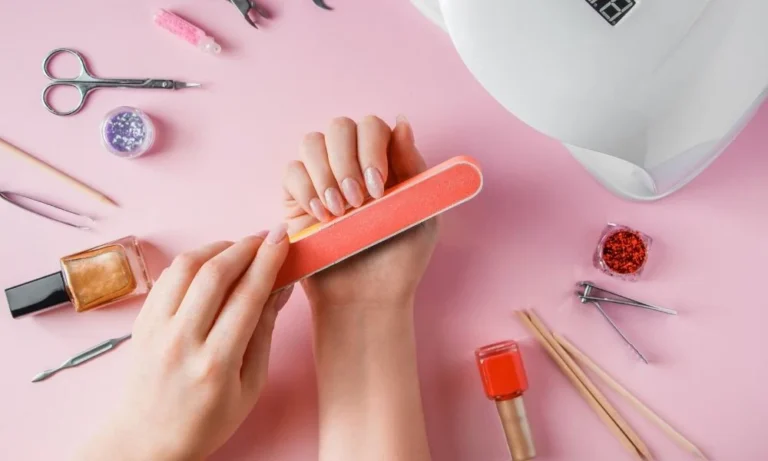
Emery boards are classic, widely used nail files made with a cardboard base coated in abrasive emery particles. Available in various grit levels, they are ideal for shaping and smoothing natural nails. Because they are disposable, emery boards are cost-effective and hygienic, making them perfect for single-use applications or home manicures.
2. Metal Nail Files
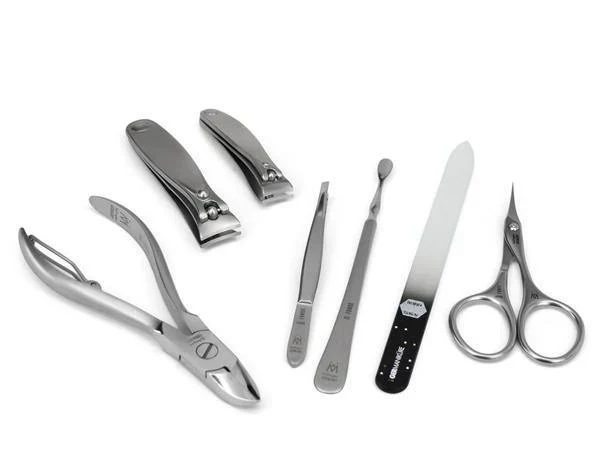
Metal nail files are typically made from stainless steel, making them strong, long-lasting, and easy to sanitize. They are effective for thick nails and toenails due to their firm and abrasive surface. However, they can be too harsh for soft or brittle natural nails, so they are best reserved for tougher nails or artificial enhancements.
3. Crystal / Glass Nail Files
Crystal and glass nail files are crafted from tempered glass and are known for their smooth, gentle filing action. They seal the nail edge while shaping, which helps reduce splitting and peeling. These files are reusable, easy to clean, and ideal for natural nails, making them a popular choice for personal nail care.
4. Ceramic Nail Files
Ceramic nail files strike a balance between effectiveness and gentleness. Suitable for both natural and artificial nails, they are durable and maintain their filing surface over time. Their smooth texture allows precise shaping while minimizing damage, making them a reliable option for regular nail maintenance.
What Is Nail File Grit?
When learning about nail file types explained, understanding nail file grit is essential. Nail file grit refers to how rough or smooth the surface of a nail file is, and it directly affects how the file performs during different nail care steps. Grit is measured by a number system that indicates the size of the abrasive particles on the file. Lower grit numbers mean a rougher surface, while higher numbers represent a finer, smoother texture. Choosing the correct grit helps shape, refine, and finish nails without causing unnecessary damage.
Coarse Grits (80–100)
Coarse grit nail files, usually between 80 and 100, are designed for heavy filing tasks. These grits are best suited for shortening and reshaping artificial nails such as acrylic or gel extensions. They remove bulk quickly and are ideal when making major changes to nail length or structure. However, coarse grits should never be used on natural nails, as their aggressive texture can weaken, split, or thin the nail plate.
Medium Grits (150–180)
Medium grit files, commonly ranging from 150 to 180, offer a balance between strength and control. Within nail file types explained, these grits are considered the most versatile. They are perfect for shaping natural nails safely and refining artificial nails after using a coarser file. Medium grits help smooth edges while maintaining the nail’s strength, resulting in a clean and natural-looking finish.
Fine Grits (240–400)
Fine grit nail files, typically between 240 and 400, are intended for smoothing and surface refinement. These grits gently remove minor imperfections and roughness from natural nails, giving them a polished appearance. They are also commonly used to prepare artificial nails for polish or gel application by creating a smooth, even surface without causing damage.
Ultra-Fine Grits (400 and above)
Ultra-fine grits start at 400 and higher and are mainly used for buffing and enhancing shine. These files are extremely gentle and are often used as the final step in a manicure or pedicure. In nail file types explained, ultra-fine grits are ideal for adding a natural gloss to nails or preparing the nail surface for detailed nail art. They are safe for both natural and artificial nails when used correctly.
How to Choose the Best Nail File for Your Nail Type:
Choosing the right nail file plays a major role in keeping your nails healthy, strong, and well-shaped. As covered in nail file types explained, different nail conditions require specific materials and grit levels to prevent common problems such as splitting, peeling, or thinning.
For natural or fragile nails, gentle options like fine-grit emery boards or glass nail files work best, as they shape the nails smoothly without placing stress on the nail plate. Thick or hard nails benefit from a medium-grit file that provides effective shaping while remaining safe. Artificial nails, including acrylic and gel enhancements, require sturdier tools such as coarse-grit or ceramic files that are designed to handle tougher surfaces. To protect your nails, always file in one direction and avoid excessively rough files that may cause damage over time.
What Is the Difference Between a Buffer File and a Regular Nail File?
When exploring nail file types explained, it’s important to understand the difference between a regular nail file and a buffer file, as each serves a distinct purpose in nail care.
A regular nail file has a firm, structured core and is used primarily to shape the free edge of the nail and define its length. These files help create the desired nail shape and can even be used to shorten nails when clippers or scissors are not preferred.
A buffer file, in contrast, features a softer and more flexible core. Rather than shaping, it is used to smooth the nail surface, reduce ridges, and enhance natural shine. Buffers are also commonly used to lightly matt the nail plate, which improves product adhesion when applying polish, gel, or other nail treatments. While nail files focus on structure, buffers are all about refinement and finish.
Conclusion:
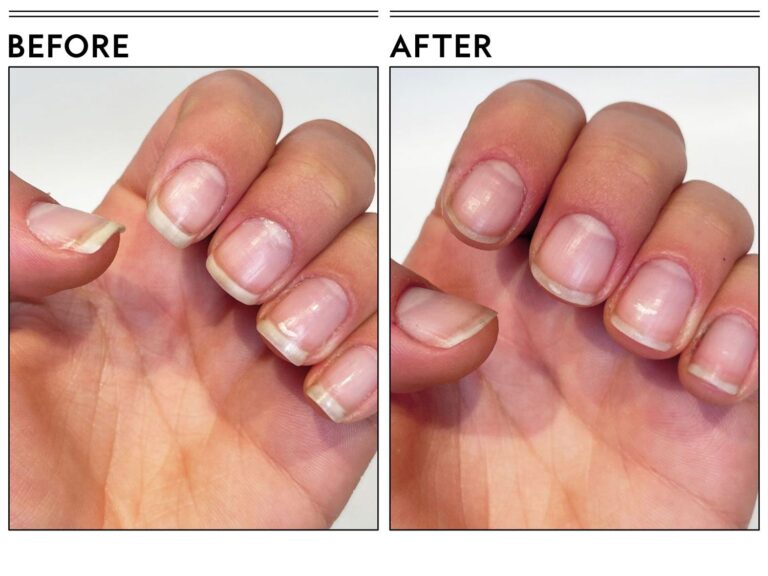
Understanding nail care tools and their correct use is essential for achieving healthy, polished nails. As highlighted in nail file types explained, selecting the right file or buffer—and using proper technique—can make a noticeable difference in nail strength and appearance. Whether you prefer an emery board, metal file, glass file, or buffer, consistent care and the right tools lead to salon-quality results.
For professional nail care without leaving your home, our experienced technicians use premium tools and high-quality products, including professional-grade nail files, to deliver exceptional results. From routine nail maintenance to specialized treatments, enjoy expert nail services designed for comfort, convenience, and beautiful outcomes.
One Comment