Nail Care Routine for Beginners:
Table of Contents
Introduction:
Nail Care Routine for Beginners nail care is an essential aspect of any personal grooming routine, and with this nail care routine for beginners, you’ll be well on your way to achieving healthy, polished nails.
Whether you’re a teenager curious about self-care or a young adult eager to embrace beauty, this guide provides a detailed, step-by-step nail care routine for beginners that is both simple and effective. From nail hygiene to cuticle maintenance, this guide covers everything you need to know to maintain strong and attractive nails.
Nail Care Basics:
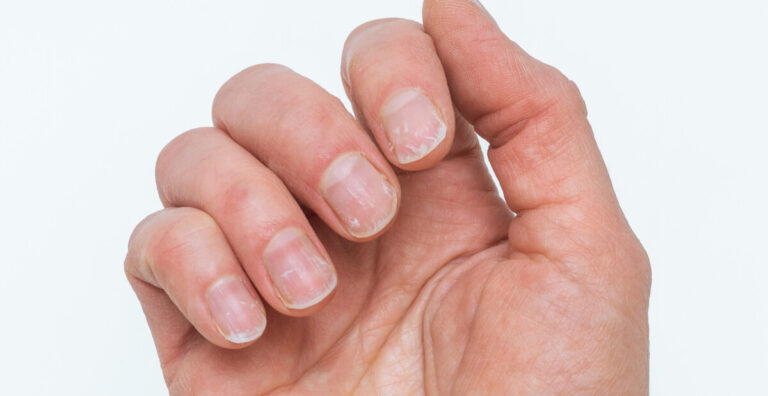
Discoloration, ridges, and brittle nails are common signs of nail damage or poor nail health. Nails are composed of keratin, a protein that gives them strength, smoothness, and an even tone. Without proper care, nails can lose these healthy characteristics over time.
To maintain the best condition for your nails and hands, everyone should follow a few essential daily habits:
- To stop bacteria from growing, keep your fingernails clean and dry.
- Regularly moisturize your hands to avoid dryness and cracking.
- Avoid biting your nails or pulling off hangnails, especially when your hands are dry.
This nail care routine for beginners emphasizes the importance of developing these habits to build a solid foundation for nail health.
Why Nail Care Is Important:
The cornerstone of any nail care routine for beginners is proper hygiene. Clean nails prevent the buildup of dirt, bacteria, and fungi that can cause infections and other nail issues. Regularly washing your hands and nails with mild soap and warm water, using a soft nail brush to clean underneath nails, and drying them thoroughly are essential steps.
Nails are made of keratin, which provides strength and structure. Daily activities, exposure to harsh chemicals, and neglect can weaken nails over time, causing breakage, discoloration, and ridges. A proper nail care routine for beginners helps protect nails, enhances their appearance, and promotes healthy growth.
Additional practices such as avoiding harsh chemicals, using sanitized tools, and refraining from biting or picking at nails further contribute to strong, beautiful nails. By prioritizing hygiene and care in your nail care routine for beginners, you ensure the overall health and resilience of your nails.
The Benefits of a Nail Care Routine for Beginners:
Following a structured nail care routine for beginners provides several key benefits:
- Prevents Infection and Bacteria: Keeping nails clean reduces the buildup of germs, dirt, and bacteria. Proper trimming and hygiene lower the risk of infections, keeping nails and surrounding skin healthy.
- Helps Boost Blood Circulation: Massaging nails, hands, and cuticles improves circulation, delivering nutrients to the nail bed, which strengthens nails and encourages healthy growth.
- De-Stress: Nail care is a calming self-care practice. Filing, massaging, and moisturizing your hands help relieve stress, providing a relaxing and soothing experience.
- Smooth Skin: Regular moisturizing keeps skin soft, preventing rough patches, dryness, and cracks around nails.
- Prevents Callouses: Removing dead skin and regularly moisturizing stops hard, rough callouses from forming, keeping hands soft and healthy.
- Increased Confidence: Well-maintained nails boost self-confidence, leaving you feeling polished and put-together.
Why Nail Care Matters:
Proper nail care is more than just cosmetic—it is a vital part of self-care and hygiene. Healthy nails not only enhance appearance but also protect your fingertips and make everyday activities like writing, typing, or gripping objects easier. Neglecting nail care can lead to issues like brittleness, fungal infections, and painful ingrown nails.
Nails can also reflect overall health. Pale nails might indicate anemia, while yellowish nails may suggest fungal infections or overuse of nail products. Following a consistent nail care routine for beginners keeps nails looking great while maintaining their health and strength.
Step 1: Keep Your Nails Clean
Clean nails are the foundation of any nail care routine for beginners. Wash your hands regularly and gently remove dirt from under nails. Avoid using sharp tools that could damage the nail bed. Maintaining clean nails prevents infections, keeps bacteria away, and supports strong, healthy nail growth.
Step 2: Trim Your Nails
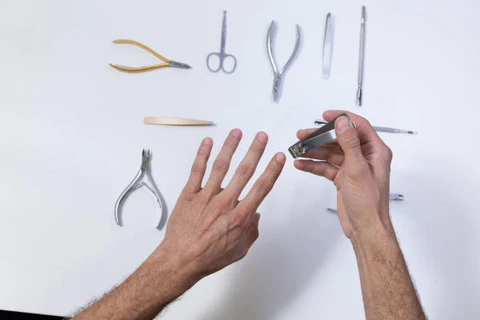
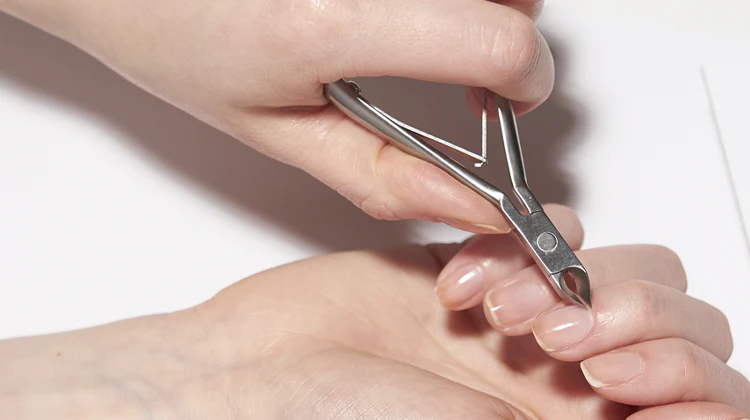
Trimming nails is a simple yet essential part of a nail care routine for beginners. Short, neatly trimmed nails not only look attractive but also reduce the accumulation of dirt and bacteria, preventing infections. Correct trimming techniques can also help avoid common problems such as hangnails or ingrown nails.
Step 3: File Gently
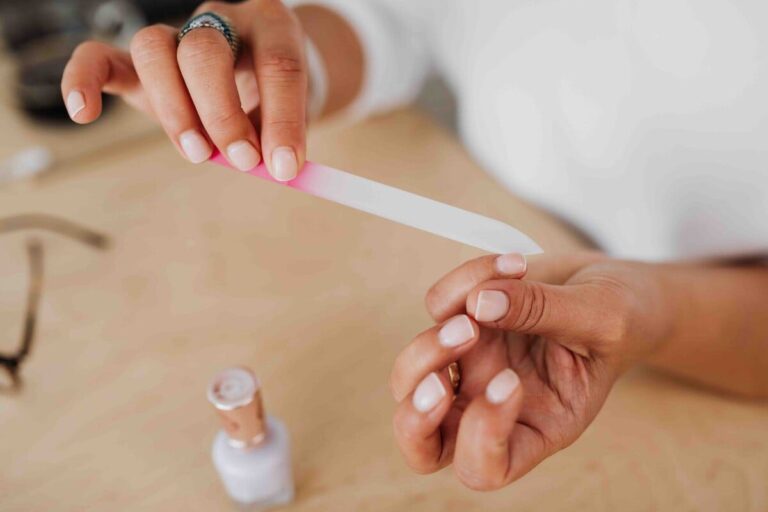
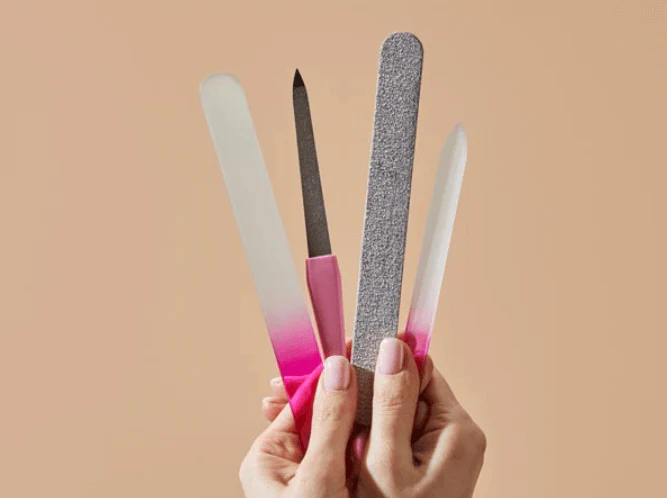
After trimming, file your nails to your preferred shape—square, round, almond, or natural curve. Use a gentle nail file, preferably a glass or crystal file, which creates a smooth edge and reduces the risk of splitting. Always file in one direction to prevent fraying.
Buffing is another step in a nail care routine for beginners that smooths ridges and dullness, creating a better surface for polish. However, avoid excessive buffing as it can thin and weaken nails.
Step 4: Moisturize Nails and Cuticles
Hydration is crucial for preventing splits, breakage, and dryness. Massage a nourishing hand cream into nails and surrounding skin, focusing on cuticles. Apply after each hand wash and before bed for optimal results.
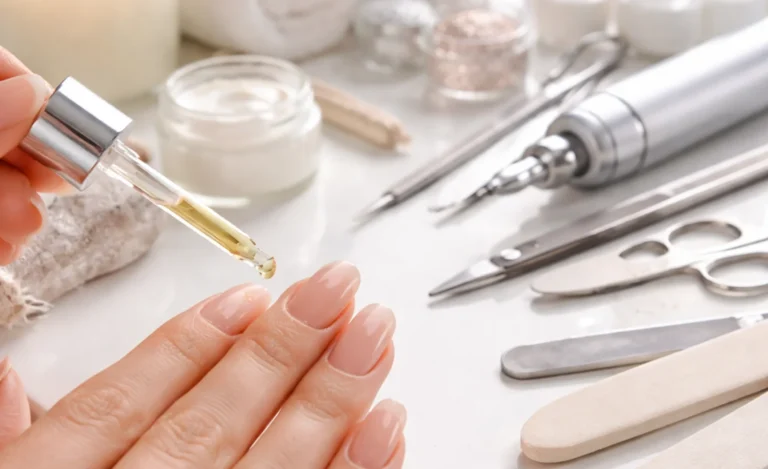
Using cuticle oils enriched with jojoba, vitamin E, or almond oil can further nourish nails, giving them a healthy, radiant look. This step in your nail care routine for beginners adds a touch of luxury and keeps nails looking their best.
Step 5: Give Your Nails a Break from Polish
While nail polish enhances appearance, constant use can dry out nails. Take breaks between manicures and always apply a base coat to protect nails. Following this step prevents yellowing and maintains natural nail strength, a crucial part of a nail care routine for beginners.
Step 6: Protect Your Nails
To maintain healthy nails, keep them clean, dry, and moisturized. Wear gloves during wet or harsh tasks, trim and file nails gently, avoid using nails as tools, and follow a balanced diet rich in vitamins. Proper hydration, reduced water exposure, and using nail hardeners help prevent breakage.
Supporting nails with nutrients like biotin, iron, and zinc further strengthens their resilience, making protection a key step in your nail care routine for beginners.
Step 7: Eat for Healthy Nails
A balanced diet is the most effective way to support nail health. Adequate intake of vitamins, minerals, and nutrients encourages the growth, formation, and strength of new nail cells.
Many supplements claim to improve nails, but scientific evidence is limited. Biotin supplements show some potential benefits, but the best source of nutrients is food. If you cannot meet your needs through diet alone, taking a supplement can help maintain healthy nails, making this an important part of a nail care routine for beginners.
Conclusion:
Establishing a nail care routine for beginners is essential for maintaining both the beauty and health of your nails. Following these steps—from hygiene to moisturizing and proper nail protection—ensures strong, attractive nails. Incorporating a balanced diet, protecting nails from damage, and using the right nail products further enhance results.
Whether you’re a teenager exploring self-care or a young adult embracing beauty, dedicating time to your nail care routine for beginners will leave you with nails that are healthy, resilient, and aesthetically pleasing. By consistently following this guide, your nails will not only look their best but also reflect overall well-being.