
Manicure Tools Explained: Uses, Benefits & Common Mistakes to Avoid:
Table of Contents
Introduction:
Manicure Tools Explained for maintaining clean, healthy, and well-groomed nails. Each tool serves a specific purpose—from shaping and trimming to cuticle care and surface smoothing. When used correctly, high-quality manicure tools improve accuracy, minimize nail damage, and support long-term nail health. On the other hand, common mistakes such as using blunt tools, cutting cuticles, over-buffing, or neglecting sanitization can weaken nails and increase the risk of infection. Understanding Manicure Tools Explained—their proper uses, benefits, and what to avoid—helps you achieve safe, salon-quality results at home.
What Are Manicure Tools?
If your nails are brittle, uneven, or surrounded by dry cuticles, you’re not alone. Professional manicures can be costly and time-consuming, and many people feel unsure about caring for their nails at home—especially without knowing which tools to use or how to use them properly.
Manicure tools are specially designed instruments that help you trim, shape, clean, and maintain your nails and cuticles. With the right tools and a little guidance, at-home nail care becomes simple and effective. Learning about different nail tool types allows you to choose a manicure set that suits your needs and use each tool safely and confidently. This Manicure Tools Explained guide breaks down the most essential tools and their practical uses.
Essential Manicure Tools and Their Uses:
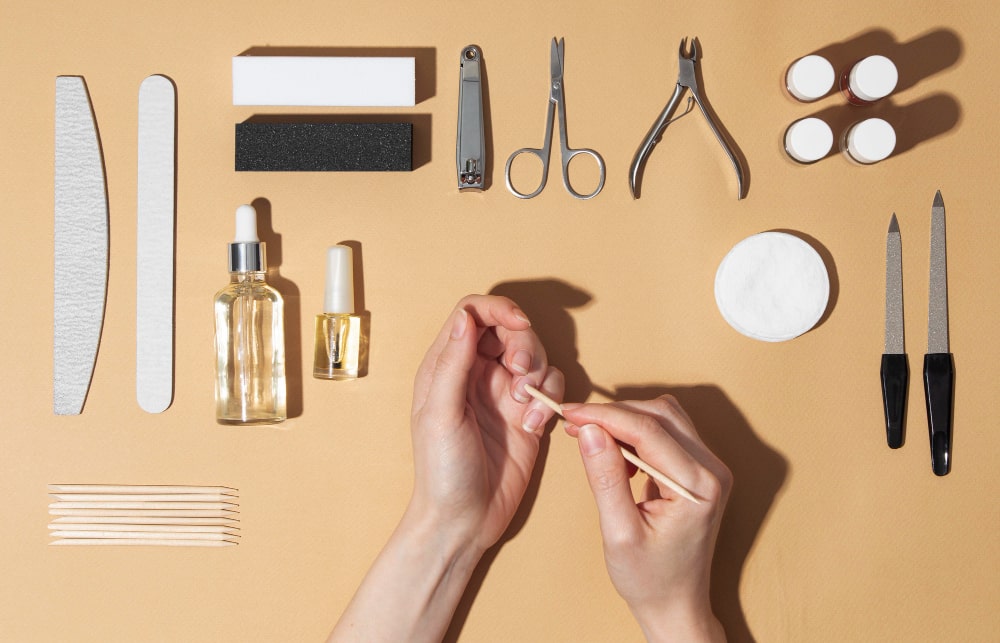
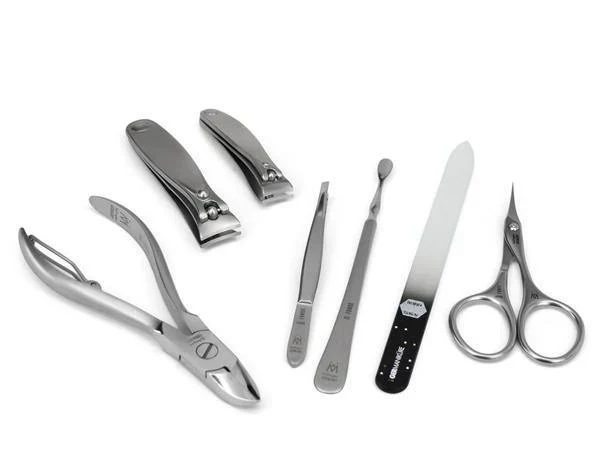
1. Nail Clippers
Nail clippers are a basic yet essential part of any manicure kit. They allow you to shorten nails quickly and evenly. For best results, trim small sections at a time to prevent splitting or cracking.
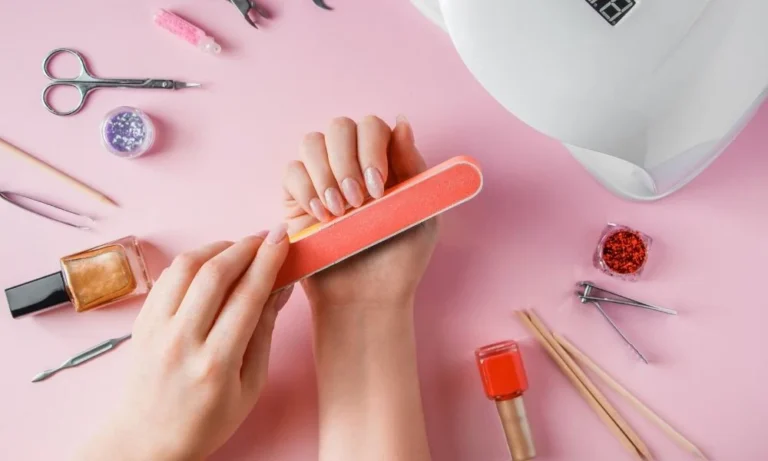
2. Nail File and Emery Board
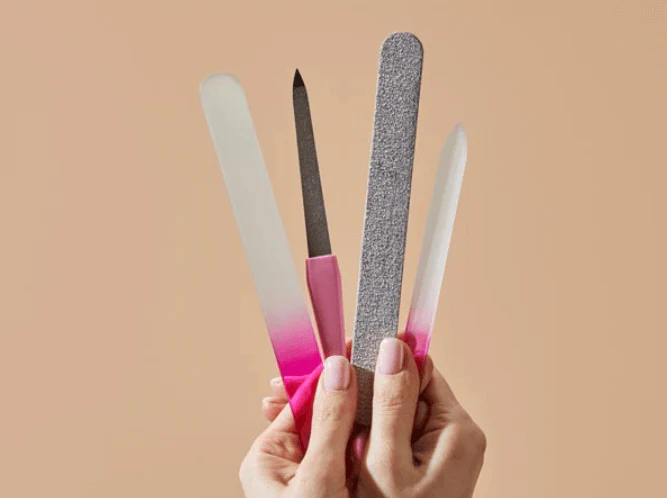
After clipping, nail files help smooth rough edges and refine the nail shape. Emery boards work well for soft or natural nails, while metal files are better suited for thicker nails when used gently.
3. Cuticle Pusher
A cuticle pusher gently moves back the thin layer of skin at the base of the nail. This creates a cleaner nail bed, improves the appearance of your manicure, and helps prevent hangnails.
4. Cuticle Nipper
Used after pushing back the cuticles, a cuticle nipper removes loose or dead skin around the nail area. It should be handled carefully and only when necessary to avoid cuts or irritation.
5. Pumice Stone or Foot File
For dry or cracked heels, a pumice stone gently exfoliates dead skin to restore softness. Foot files perform a similar function but often provide stronger exfoliation for tougher skin.
6. Nail Buffer
A nail buffer creates a natural shine, evens out the nail surface, and helps reduce ridges. Light buffing can also help nail polish adhere more evenly and last longer.
7. Toe Separators
Toe separators keep toes apart during pedicures, preventing smudges while applying polish. They also make the process more comfortable and precise.
8. Callus Remover
Manual or electric callus removers help reduce thick, hardened skin on the feet. Use gently and always sanitize the tool before and after each use to maintain hygiene.
9. Pedicure Basin
A pedicure basin is used to soak feet in warm water before exfoliation. This softens the skin and enhances the effectiveness of other tools. Adding Epsom salts or essential oils can create a relaxing, spa-like experience.
10. Orange Stick
An orange stick is a versatile wooden tool used for cleaning under nails, gently pushing cuticles, or correcting small polish mistakes. It’s simple, affordable, and very useful.
Benefits of Using the Right Manicure Tools
Using the right manicure tools ensures safer, more efficient nail care while supporting strong and healthy nails. High-quality tools provide better precision, reduce the risk of splitting or breakage, and make grooming more comfortable. Well-designed tools also contribute to a polished, professional look at home. When properly cleaned and sanitized, they maintain hygiene and prevent infections, keeping your nails safe and healthy over time.
Common Manicure Tool Mistakes to Avoid:
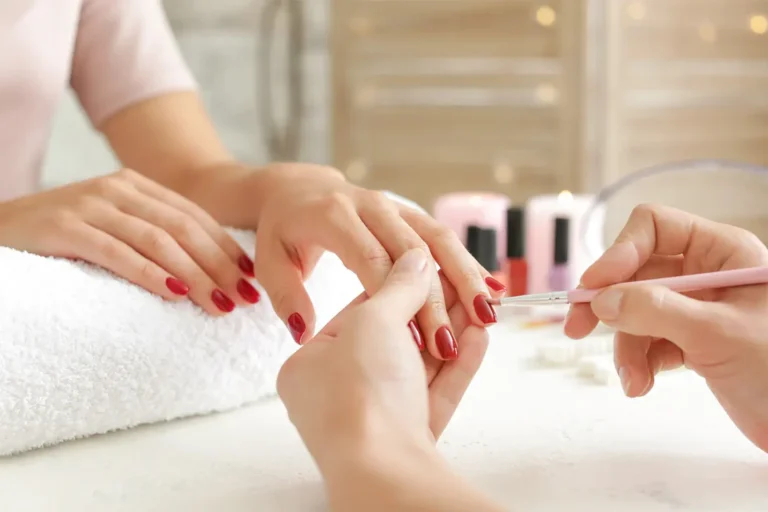
At-home manicures are a cost-effective, convenient, and relaxing way to care for your fingernails and toenails. Not only do they enhance the appearance of your hands and feet, but they also support long-term nail health. Self-care is essential, and a proper manicure routine is one of the simplest ways to pamper yourself. To get the most from your home nail sessions, it’s important to avoid some common mistakes. Understanding Manicure Tools Explained can help beginners and professionals alike maintain healthy nails.
Neglecting Tool Hygiene
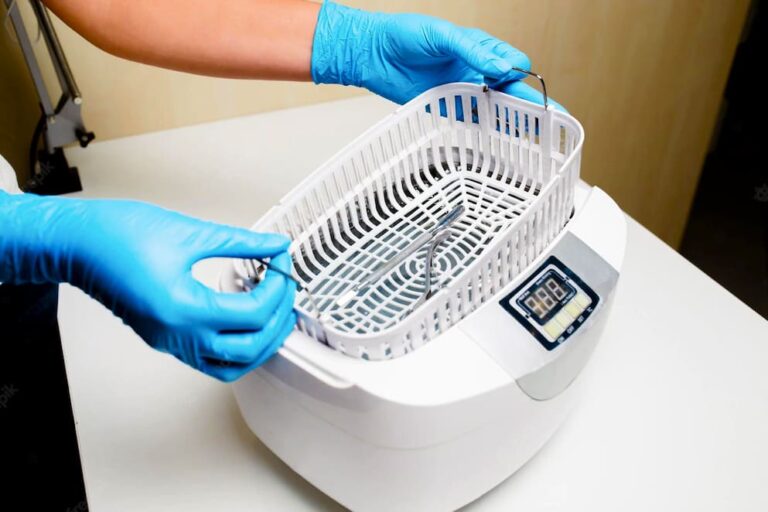
Failing to clean your manicure tools regularly can lead to bacteria build-up and infections. Every tool that comes into contact with your skin or nails should be sanitized after each use, especially with frequent use.
Incorrect Nail Trimming
Improper trimming can cause jagged edges or ingrown nails. Cut nails straight across after a shower or bath when they are softer. Use the appropriate tool for each job and avoid relying on one clipper or scissor for all trimming.
Sharing Nail Tools
Sharing tools, even with trusted friends, can easily spread bacteria or fungal infections. If you must use a borrowed tool, ensure it is thoroughly cleaned and sanitized before use.
Overcutting Cuticles
Trimming cuticles too deeply or too often can damage the protective skin around nails and increase infection risk. Instead, gently push back cuticles with a soft, non-metal tool such as a crystal cuticle stick.
Over-Filing or Buffing
Excessive filing or buffing can thin nails and make them prone to breakage. File in one direction and buff lightly to smooth the surface without harming nails or surrounding skin.
Skipping Regular Maintenance
Using worn-out tools is like cutting nails with a blunt knife—it simply doesn’t work. Replace files, buffers, and other frequently used tools every 6–12 months to maintain effectiveness and safety.
How to Store Your Nail Accessories Correctly:
Proper storage significantly extends the life of your manicure tools. Tools left loose in bags or exposed to moisture are more likely to become dull, damaged, or harbor bacteria. Store your tools in a clean, dry container with compartments to prevent rust, blunt edges, and cross-contamination.
Avoid storing tools in high-humidity areas like bathrooms. Instead, opt for a cool, dry drawer or a ventilated case. If using fabric pouches, wash them regularly to keep tools clean and safe.
Final Tips for Choosing Professional-Quality Manicure Tools
When selecting professional-quality manicure tools, focus on durability, comfort, and hygiene. High-grade stainless steels tools are long-lasting, rust-resistant, and easy to sanitize. Ergonomic designs provide a secure grip, allowing precise and safe use. Avoid low-quality tools that can damage nails or skin. Investing in well-crafted manicure tools ensures safer, more effective nail care and professional-looking results at home.
By understanding Manicure Tools Explained, you can enhance your nail care routine, avoid common mistakes, and enjoy healthy, beautiful nails safely.
One Comment