
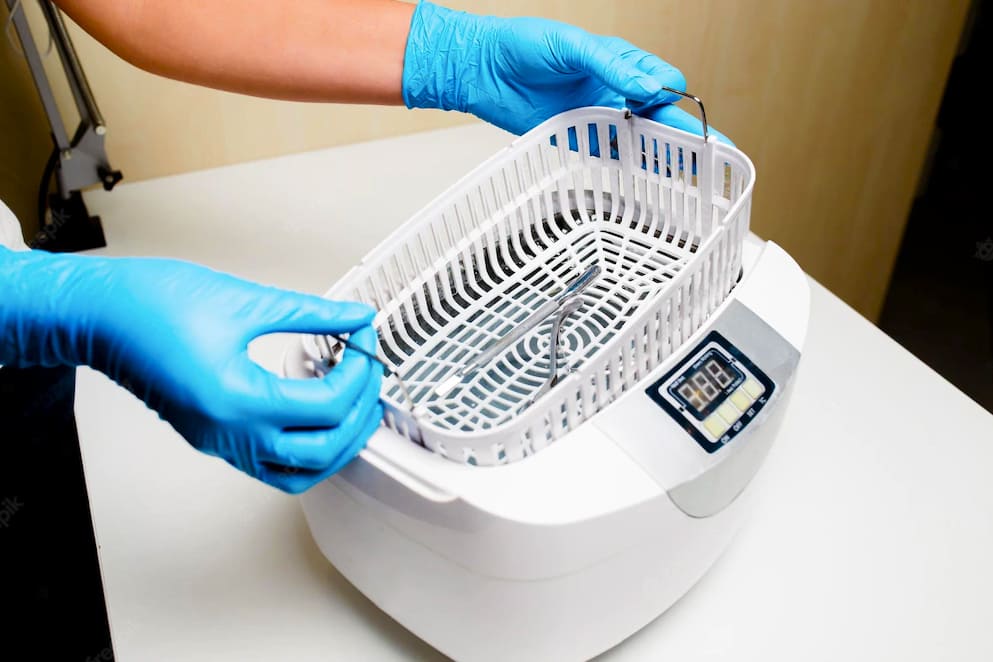
Introduction: Why Sterilization Matters in Professional Nail Salons
Nail Tools Sterilization Methods, in professional nail salons, hygiene standards must go beyond basic cleaning and disinfection. Nail Tools Sterilization is the highest level of safety, ensuring the complete elimination of harmful microorganisms and creating a safe environment for every client.
Because nail tools come into close contact with skin and cuticles, improper hygiene can lead to the spread of bacteria, fungi, and bloodborne pathogens. Strict Nail Tools Sterilization protects both clients and technicians while helping salons meet health regulations and build client trust.
By following correct Nail Tools Sterilization practices and using approved equipment and disposable items, professional salons demonstrate a strong commitment to safety, quality, and responsible nail care.
Difference Between Cleaning, Disinfecting, and Sterilizing Nail Tools
Understanding the difference between cleaning, disinfecting, and sterilizing nail tools is essential for professional salon hygiene. Nail Tools Sterilization represents the highest level of safety, but it is only effective when performed after proper cleaning and disinfection.
Cleaning (Washing or Sanitizing)
Cleaning is the first and most important step in nail tool hygiene. It involves washing tools with soap, warm water, and a brush to remove visible debris, oils, and product residue. While cleaning does not kill most microorganisms, it prepares tools for effective disinfection and Nail Tools Sterilization.
Disinfecting
Disinfecting uses chemical solutions to kill most bacteria, fungi, and viruses remaining on cleaned tools. However, disinfectants cannot destroy highly resistant bacterial spores. In professional salons, disinfection is required after each client and serves as a critical step before Nail Tools Sterilization.
Sterilizing
Sterilization is the highest level of decontamination and completely eliminates all forms of microbial life, including spores. Nail Tools Sterilization is typically achieved using medical-grade methods such as steam autoclaves or dry heat sterilizers. This step is essential for reusable metal tools, especially those that may contact broken skin.
Key Difference Summary
- Cleaning: Removes visible dirt and residue
- Disinfecting: Kills most germs, but not spores
- Nail Tools Sterilization: Destroys all microorganisms, including spores
A professional salon hygiene routine always follows this order: clean first, disinfect second, and apply Nail Tools Sterilization for maximum safety.
Why Professional Salons Must Follow Advanced Sterilization Methods
Professional nail salons operate in high-contact environments where tools are used on multiple clients throughout the day. For this reason, basic cleaning or disinfection alone is not enough. Nail Tools Sterilization is essential to eliminate all forms of microbial life and maintain the highest level of safety for both clients and salon professionals.
Advanced Nail Tools Sterilization methods, such as autoclaving, are designed to destroy bacteria, fungi, viruses, and highly resistant spores. This level of protection is especially critical for metal tools that may come into contact with broken skin or bodily fluids during nail services.
Strict Nail Tools Sterilization protocols also protect salon staff, who face repeated exposure to potentially contaminated tools. Consistent sterilization reduces occupational health risks and creates a safer working environment.
In addition, many health authorities require salons to follow specific sterilization standards. Proper Nail Tools Sterilization helps ensure legal compliance, preventing fines, license suspension, or business closure. Salons that visibly follow advanced hygiene practices also build stronger client trust and credibility.
Ultimately, professional Nail Tools Sterilization reflects a salon’s commitment to quality and responsibility. A sterile environment enhances the client experience, supports long-term business success, and positions the salon as a trustworthy and professional service provider.
Types of Nail Tools That Require Sterilization in Salons
In professional salon settings, strict hygiene standards are essential to prevent the spread of infections. Nail Tools Sterilization is required for specific tools that come into direct contact with clients’ skin, nails, or bodily fluids. These tools must be properly cleaned, disinfected, and sterilized before reuse.
Metal Nail Tools
All reusable metal nail tools must undergo complete Nail Tools Sterilization after each client. These tools frequently touch nails and cuticles and can easily transfer bacteria or fungi if not sterilized properly.
Common examples include:
- Cuticle nippers and pushers
- Nail clippers and scissors
- Metal nail files
- Tweezers
Electric Nail Drill Bits
Reusable electric nail drill bits, especially those made from carbide or ceramic, collect nail dust, skin particles, and microorganisms during use. Professional Nail Tools Sterilization ensures these bits are safe for reuse and meet salon hygiene standards.
Tools Exposed to Blood or Broken Skin
Any nail tool that comes into contact with blood or compromised skin must be removed from service immediately. These tools require urgent cleaning followed by advanced Nail Tools Sterilization, typically using a medical-grade autoclave, to eliminate the risk of bloodborne pathogen transmission.
Salon Safety Standard
To protect clients and staff, professional salons should combine approved disinfectants with advanced Nail Tools Sterilization equipment, such as autoclaves, in accordance with local health regulations.
Autoclave Sterilization: The Gold Standard in Nail Salons
Autoclave sterilization is widely recognized as the most effective method of Nail Tools Sterilization in professional nail salons. Unlike basic sanitation, chemical disinfection, or UV units, autoclaves use high-pressure steam to destroy all microorganisms, including highly resistant bacterial spores.
How Autoclaves Work
Autoclaves rely on moist heat sterilization, combining steam, pressure, and controlled exposure time to ensure complete Nail Tools Sterilization.
- Preparation: Nail tools are thoroughly washed and sealed in sterilization pouches.
- Pressurization: Tools are placed inside the sealed autoclave chamber.
- Steam Exposure: High-temperature steam destroys microorganisms.
- Drying and Cooling: Tools are dried and cooled, remaining sterile.
This process ensures consistent and verifiable Nail Tools Sterilization.
Tools Suitable for Autoclave Sterilization
All reusable, non-porous metal tools should undergo autoclave-based Nail Tools Sterilization.
Common examples include:
- Nail clippers and scissors
- Cuticle nippers and pushers
- Metal files and rasps
- Tweezers
- Metal nail drill bits
- Callus shavers
Porous items such as emery boards, buffers, and wooden sticks cannot be autoclaved and must be single-use.
Chemical Sterilization in Professional Salons
Chemical methods are an important part of Nail Tools Sterilization when heat-based systems are not suitable. Professional salons use EPA-registered, hospital-grade solutions to kill harmful microorganisms.
For effective Nail Tools Sterilization, tools must be thoroughly cleaned before soaking. Each chemical has a specific contact time and material compatibility. After soaking, tools should be rinsed, fully dried, and stored in clean containers.
Common Sterilization Mistakes in Nail Salons
Proper Nail Tools Sterilization requires attention to cleaning, correct equipment use, and safe storage.
Skipping Proper Cleaning Before Sterilization
Visible debris blocks heat or steam, making sterilization ineffective.
Incorrect Temperature or Exposure Time
Wrong cycles, overcrowding, or early opening results in incomplete Nail Tools Sterilization.
Improper Storage After Sterilization
Touching tools with bare hands or storing them improperly can contaminate sterile tools.
Avoiding these mistakes helps maintain hygiene standards and comply with regulations.
Conclusion
Maintaining high hygiene standards in professional salons depends on correct and consistent Nail Tools Sterilization. Using the right methods, following procedures, and avoiding common mistakes protect both clients and salon professionals.
By prioritizing Nail Tools Sterilization, salons demonstrate professionalism, regulatory compliance, and long-term commitment to safe nail services.

One thought on “Nail Tools Sterilization Methods Used by Professional Salons”