
Introduction
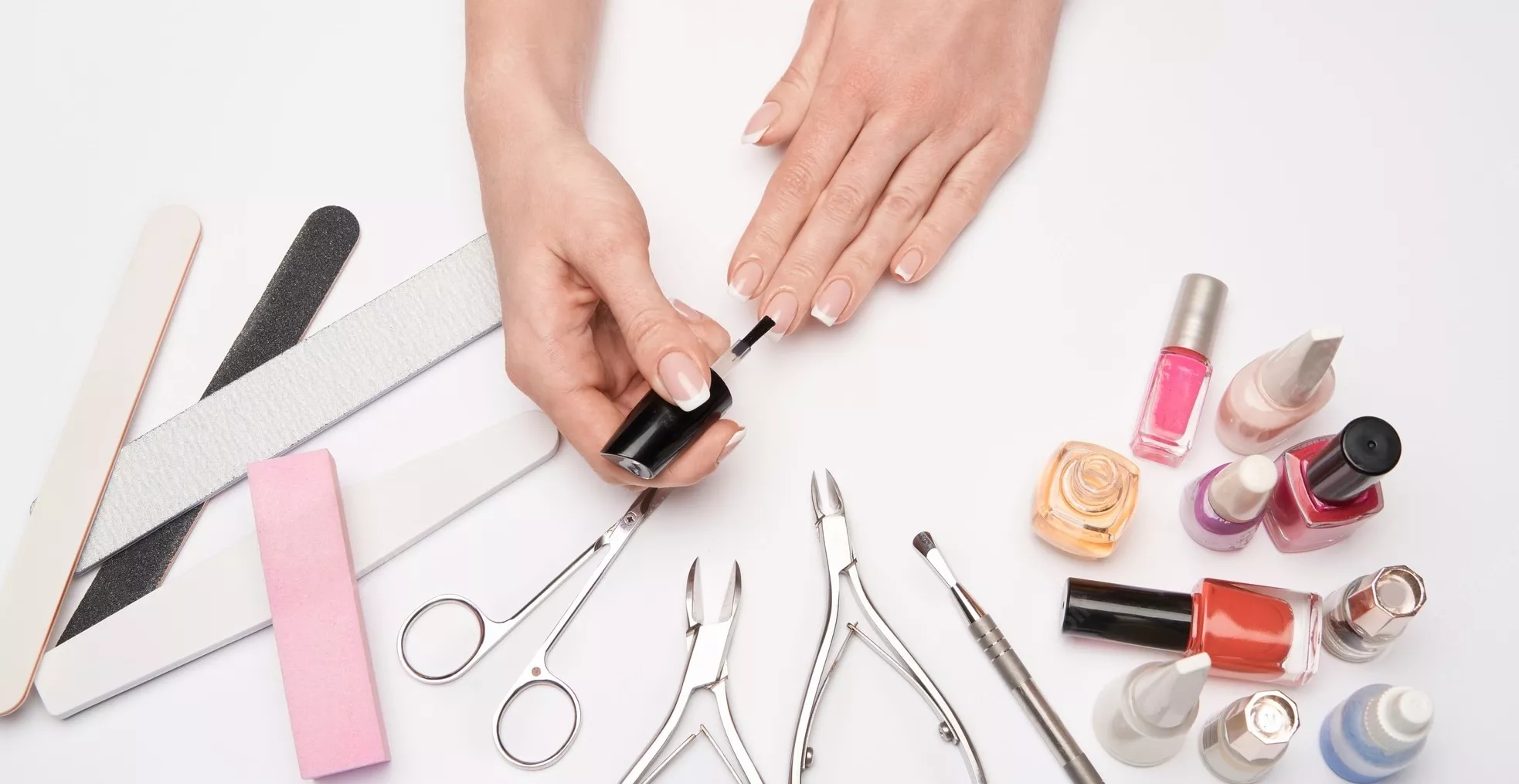
Nail Tools Cleaning Guide, proper nail tool hygiene is essential for safe and professional nail care. A reliable Nail Tools Cleaning Guide involves more than basic washing—it follows a step-by-step process that includes cleaning, sanitizing, disinfecting, and, when required, sterilizing nail tools to prevent infections and cross-contamination.
Both salon professionals and home users depend on an effective Nail Tools Cleaning Guide to understand the correct hygiene practices for different nail tools, including porous and non-porous materials. Improperly cleaned tools can harbor bacteria, fungi, and viruses that spread through contact with skin or minor cuts.
By following a structured Nail Tools Cleaning Guide, nail technicians can reduce health risks, maintain high hygiene standards, and build client trust through visible cleanliness and safe practices.
Types of Nail Tools That Require Regular Cleaning
All nail tools require routine hygiene, but cleaning methods depend on the tool’s material and usage. A professional Nail Tools Cleaning Guide focuses on three main categories: metal tools, electric tools, and disposable versus reusable items.
Metal Nail Tools
Metal nail tools are non-porous and designed for repeated use, making proper hygiene essential. According to a trusted Nail Tools Cleaning Guide, these tools must be cleaned and disinfected after every use to prevent bacteria, fungi, and viruses.
- Examples include: nail clippers, cuticle pushers, scissors, and nippers.
- Cleaning method: wash with soap and warm water, disinfect using an approved solution, and apply sterilization in professional settings when required.
Electric Nail Tools
Electric nail tools, such as e-files and drill bits, collect dust and residue during use. A reliable Nail Tools Cleaning Guide recommends cleaning these tools after each session.
- Cleaning method: brush off debris, wash and disinfect removable parts, and wipe the electric handpiece with disinfectant wipes.
Disposable vs. Reusable Tools
Reusable tools are made from non-porous materials and can be safely cleaned and disinfected for repeated use. Disposable tools, such as nail files and wooden sticks, are single-use items and must be discarded immediately to prevent cross-contamination.
How Often Should You Clean and Disinfect Nail Tools?
Following the correct cleaning frequency is just as important as using the right method. A professional Nail Tools Cleaning Guide emphasizes that nail tools must be cleaned and disinfected based on their material and level of contact with the skin to effectively prevent infections.
Metal Nail Tools (Clippers, Cuticle Trimmers, Pushers)
Metal tools come into direct contact with nails and cuticles and should be cleaned after every single use. According to a trusted Nail Tools Cleaning Guide, immediate hygiene prevents the transfer of bacteria, fungi, and viruses between users.
- After each use: Wash thoroughly with soap and warm water to remove oils and debris.
- Disinfection: Soak in an approved disinfectant or alcohol solution for the recommended contact time.
- Dry and store: Dry completely and store in a clean, covered container to maintain hygiene.
Non-Metal and Porous Tools (Files, Buffers, Foam Pushers)
Porous nail tools absorb moisture and cannot be fully disinfected. A reliable Nail Tools Cleaning Guide recommends strict usage limits for these items.
- Single-use in salons: Discard after each client to avoid cross-contamination.
- Personal use: Sanitize with alcohol after every session and replace frequently.
Storage Containers and Tool Holders
Even clean tools can become contaminated if stored improperly. As outlined in every professional Nail Tools Cleaning Guide, storage containers should be wiped with disinfectant at least once a week to prevent bacterial buildup.
By following the recommended cleaning frequency outlined in a Nail Tools Cleaning Guide, nail technicians and home users can maintain safe hygiene standards, reduce infection risks, and ensure long-term tool safety.
Difference Between Cleaning, Disinfecting, and Sterilizing
Understanding the difference between cleaning, disinfecting, and sterilizing is essential for proper nail tool hygiene. A professional Nail Tools Cleaning Guide emphasizes that these steps are not interchangeable and must be performed in the correct order to ensure maximum safety.
Cleaning
Cleaning involves removing visible dirt, dust, nail residue, and organic material using soap or detergent with water.
- This step reduces the number of germs present on nail tools.
- Cleaning is mandatory before any further hygiene step.
- Always perform cleaning immediately after tool use.
Disinfecting
Disinfecting uses chemical solutions, such as alcohol or professional disinfectants, to kill most bacteria, fungi, and viruses remaining on the tool surface.
- Disinfection significantly lowers infection risk.
- Essential for routine nail care tools.
- Used after cleaning.
Sterilizing
Sterilization eliminates all forms of microbial life, including resistant spores, through heat, chemicals, or pressure.
- Provides complete microbial elimination.
- Recommended only for professional settings.
- Used in situations involving exposure to blood.
Why the Order Matters
A proper Nail Tools Cleaning Guide always follows this sequence: cleaning first, disinfecting second, and sterilizing when necessary. Skipping the cleaning step reduces the effectiveness of both disinfection and sterilization.
How to Clean Specific Nail Tools
A professional Nail Tools Cleaning Guide recommends cleaning and disinfecting all reusable nail tools after every use.
Metal Nail Tools (Clippers, Nippers, Pushers)
- Wash with soap and warm water to remove debris.
- Dry completely to prevent rust.
- Disinfect using 70–90% isopropyl alcohol or a professional disinfectant.
- Store in a clean, closed container.
Nail Files and Buffers
- Salon use: Discard after one client.
- Personal use: Wipe with alcohol after each session.
Glass and metal files are non-porous and can be cleaned and disinfected following standard Nail Tools Cleaning Guide steps.
Electric Nail Drill Bits
- Brush off dust and residue.
- Wash and disinfect fully.
- Dispose of sanding bands after one use.
Common Mistakes to Avoid When Cleaning Nail Tools
- Skipping pre-cleaning.
- Storing tools while wet.
- Over-soaking tools.
- Using the wrong sterilization pouch.
- Improper brush cleaning.
- Reusing disposable tools.
- Poor storage.
Following this Nail Tools Cleaning Guide ensures better hygiene, longer tool life, and safer nail services.
FAQ’s
Can I clean nail tools with boiling water?
How long should tools soak in disinfectant?
Are UV sterilizers effective?
Conclusion
Proper nail tool hygiene is essential for safe and professional nail care. By following a trusted Nail Tools Cleaning Guide, you can prevent infections, reduce cross-contamination, and extend the life of your tools.
Whether for salon or personal use, consistent cleaning, disinfection, and correct storage ensure healthier nails and safer results.
One thought on “Nail Tools Cleaning Guide – Step-by-Step Hygiene Method”