
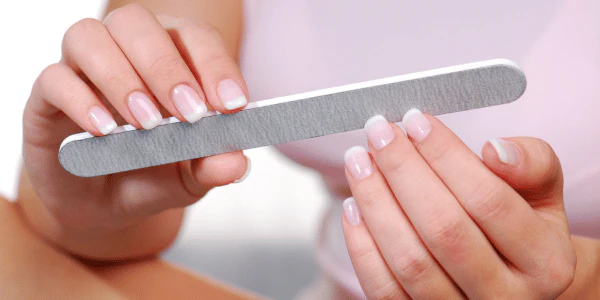
What Is a Nail Buffer?
Nail Buffer Use Guide, a nail buffer is a specialized nail care tool designed to smooth and refine the surface of the nail plate. Unlike nail files, which are mainly used to shape the edges of nails, buffers work on the top layer to reduce ridges, eliminate rough patches, and enhance the nail’s natural shine.
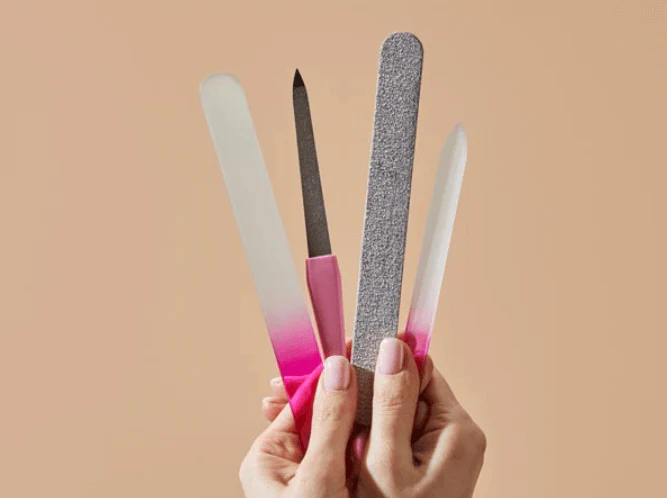
Most nail buffers feature multiple sides, each with a different grit level. Coarser surfaces help level uneven areas, while finer sides polish the nail and create a glossy, healthy-looking finish.
High-quality buffer blocks are typically made with flexible sponge cores and emery coatings, allowing controlled, gentle pressure during use. Many designs offer three or four distinct surfaces to support step-by-step buffing—from smoothing to polishing.
When used correctly, a nail buffer delivers a clean, polished appearance that closely resembles a clear coat, making it an essential part of any nail buffer use guide.
Why Is a Nail Buffer Important for Nail Care?
A nail buffer plays a vital role in maintaining healthy, attractive nails. By smoothing ridges and surface irregularities, buffing helps prevent weak points that may lead to splitting or breakage.
Gentle buffing also encourages blood circulation in the nail bed, which supports healthier nail growth over time. One of the key advantages of using a nail buffer is its ability to create a natural shine without the need for polish. This makes it ideal for individuals who prefer a low-maintenance look or have sensitivities to nail products.
Regular, moderate buffing improves the overall appearance of nails and hands, giving them a clean, well-groomed look with minimal effort. As highlighted in any professional nail buffer use guide, consistency and proper technique are key to long-term nail health.
Understanding the Purpose of Nail Buffing:
Nail buffing is more than a cosmetic step—it serves both aesthetic and functional purposes in nail care routines. While it enhances shine and smoothness, its deeper purpose is to maintain an even nail surface, reduce structural weaknesses, and support overall nail health.
Buffing prepares nails for polish application, improves adhesion, and can even be used as a standalone treatment for a natural finish. When practiced correctly and in moderation, nail buffing helps protect nails from everyday damage while enhancing their appearance.
This balance between beauty and care is why buffing remains a core practice in salons and at-home routines alike—and why it holds a central place in every complete nail buffer use guide.
Top Benefits of Buffing Nails:
Let’s talk about the real reason buffing deserves a spot in your nail routine. It’s not just an extra step—it’s a simple habit that can dramatically improve the health and appearance of your nails. Below are the key benefits every nail buffer use guide highlight and why buffing is truly worth your time.
1. Gives Nails a Natural, Healthy Shine
One of the most loved benefits of nail buffing is the natural glow it creates. With just a few gentle strokes, buffing enhances the nail’s surface, revealing a soft, clean shine that looks healthy and well cared for—no polish required. It’s perfect for minimal-effort days when you still want your hands to look put together. That glossy finish you notice after a salon visit? Buffing is often the secret behind it.
2. Smooths Out Ridges and Surface Imperfections
Nails can develop ridges and uneven texture due to dryness, aging, or daily wear. A nail buffer helps gently even out these inconsistencies, creating a smoother, more refined surface. This not only improves the appearance of bare nails but also helps nail polish glide on evenly and last longer. As recommended in any proper nail buffer use guide, buffing should be done lightly and in moderation to maintain nail strength.
3. Boosts Blood Circulation to the Nail Bed
Buffing does more than improve appearance—it also supports nail health. The gentle friction created during buffing stimulates blood flow to the nail bed, which can encourage healthier nail growth over time. If you’re trying to grow stronger, longer nails, incorporating buffing into your routine may give them the extra support they need.
4. Enhances the Look of Bare Nails
Not everyone wants—or has time for—regular manicures. Buffed nails look clean, smooth, and naturally polished even without color. Think of it as the “no-makeup look” for your nails. This is why many nail professionals recommend buffing as a quick, effective grooming solution in any nail buffer use guide.
5. Helps Nail Polish Adhere Better
A smooth nail surface allows polish to bond more effectively. Light buffing removes tiny ridges and uneven areas that can cause streaking or early chipping. The result is a cleaner application, better shine, and longer-lasting manicures. Buffing creates the ideal base for polish without damaging the nail when done correctly.
6. Reduces Peeling and Nail Breakage
When nails have rough edges or weak surface layers, they’re more likely to peel or snap. Proper buffing helps smooth out these vulnerable areas, reducing the chances of nails catching on clothing or breaking during daily tasks. Followed by moisturizing, buffing supports stronger, healthier nails—an essential principle emphasized in every effective nail buffer use guide.
How to Avoid Common Mistakes While Buffing Nails:
Buffing your nails can instantly improve their appearance and health—but only if you do it correctly. Many people unknowingly make common mistakes that can weaken nails, cause thinning, or even lead to breakage. This section will walk you through the most frequent errors and how to avoid them, as part of a complete nail buffer use guide.
Common Buffing Mistakes to Avoid:
- Applying Too Much Pressure: Pressing too hard while buffing can thin the nail plate, making it weak and prone to splitting. Use gentle, light strokes instead—your goal is to smooth the surface, not remove layers.
- Buffing in the Wrong Direction: Always buff in one direction—following the natural grain of your nail. Buffing back and forth can create friction and damage the nail surface.
- Buffing Too Often or Using the Wrong Buffer: Over-buffing is one of the most common mistakes. Buffing more than once every few weeks can strip away the protective layers of your nail. Also, using a harsh buffer on weak nails can cause more harm than good.
How to Choose the Right Type of Buffer:
Selecting the right buffer is the first step in preventing damage. There are two main types:
- Foam Buffers: Soft and gentle, foam buffers are ideal for natural nails and are less likely to cause thinning.
- Block Buffers: These provide stronger buffing action and are better for removing deeper ridges, but should be used carefully to avoid over-buffing.
- Buff in the Right Direction: To protect your nails, always buff in the same direction—moving from the base toward the tip. This reduces friction and prevents the buffer from slipping. Think of it as smoothing rather than scraping.
- Avoid Sharing Buffers: Nail buffers are personal tools and should not be shared. Sharing increases the risk of infection and spreading bacteria, even if the buffer looks clean.
- Never Buff Nails When Wet: Wet nails are softer and more flexible, which increases the risk of over-thinning. Always buff nails when they are completely dry for safer and more effective results.
How to Properly Use a Nail Buffer for the Best Results:
Using a nail buffer correctly is easy when you follow a simple routine. Here’s a step-by-step method recommended in every complete nail buffer use guide:
- Clean: Start with clean, dry nails free of polish.
- Buff: Use the coarser side to smooth ridges and uneven areas.
- Smooth: Switch to a finer side to refine the surface further.
- Shine: Finish with the finest side to create a glossy, natural shine.
Why Regular Buffing Matters:
When done properly and in moderation, regular buffing supports nail strength, improves texture, and enhances natural growth. It reduces the chances of splits and breakages by smoothing rough edges and strengthening weak spots.
Conclusion:
In summary, a nail buffer is not just a beauty tool—it’s an essential part of a healthy nail care routine. With the right technique and a quality product like Secret Nail Buffer, you can achieve salon-level results at home. Its multifunctional design and premium quality make it a smart choice for anyone who wants strong, shiny, and healthy nails.
If you’re looking to upgrade your nail care routine, the Secret Nail Buffer is a top option, trusted by millions for its reliable performance and visible results.
One thought on “Nail Buffer Use Guide – Benefits, Tips & Mistakes”