
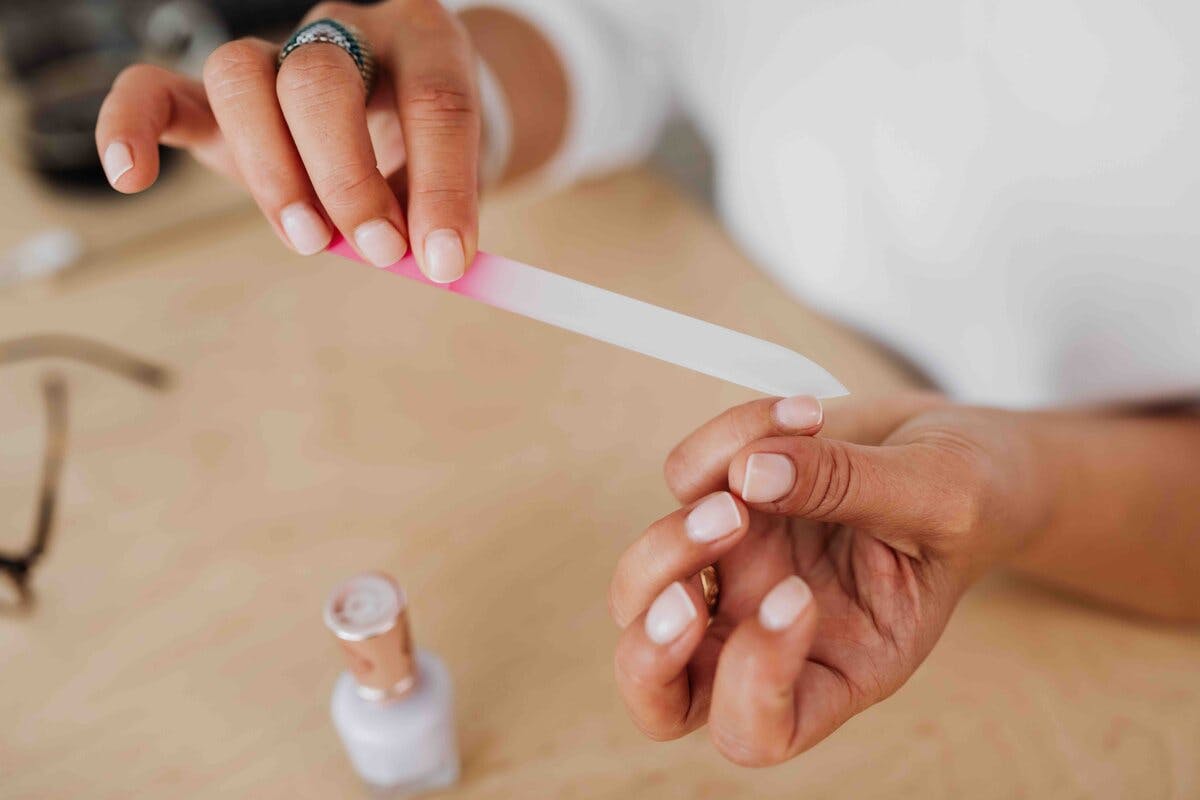
Vitamins For Strong Nails and healthy nails depend largely on what you eat. A balanced and nutritious diet is the best way to maintain nail strength and overall foot hand & nail care. While supplements are widely promoted as a quick fix, research is still limited on whether they can fully replace nutrients from food.
Your fingernails can reveal a lot about your overall well-being. In fact, what your nails say about health is often linked to nutritional intake. Nail beds continuously produce new nail tissue, and this process requires a steady supply of vitamins, minerals, and essential nutrients to support proper growth and strength.
Although many products claim to improve nail health, scientific evidence remains limited. At present, biotin is one of the few supplements shown to have a possible positive effect on nail strength. Supplements may help when dietary intake is insufficient, but they work best when combined with proper nutrition and regular nail maintenance.
Below are the most important vitamins and nutrients needed for strong, healthy nails.
1. Biotin (Vitamin B7)
Biotin, also known as vitamin B7 or vitamin H, is a B-complex vitamin that supports the metabolism of amino acids, which are essential for nail strength. It also promotes healthy cell growth, making it one of the most talked-about vitamins for strong nails.
Several small studies from the late 1980s and early 1990s suggest that biotin supplementation may reduce nail brittleness. In one study, about two-thirds of participants reported thicker nails after taking 2.5 mg of biotin daily for a few weeks.
Biotin deficiency is rare, and although there is no official Recommended Dietary Allowance, the Adequate Intake for adults is about 30 micrograms per day. Natural food sources include
- Egg yolks
- Dairy products
- Yeast
- Salmon
- Avocados
- Sweet potatoes
- Nuts and seeds
- Cauliflower
- Liver and other organ meats
2. Other B Vitamins (B12 and Folate)
Vitamin B12 plays an important role in iron absorption and red blood cell production, both of which support healthy nail growth. A deficiency may cause nail discoloration, such as bluish tones or dark streaks. Because it supports oxygen delivery, B12 is essential for strong nails.
Folate (vitamin B9) helps create new cells and supports continuous nail growth. Low folate levels may result in weak, rigid nails that break easily.
Daily requirements include 2.4 micrograms of vitamin B12 and 400 micrograms of folate. Foods rich in folate include:
- Dark leafy greens
- Citrus fruits
- Beans and peas
- Nuts and seeds
- Avocados
Vitamin B12 is mainly found in animal-based foods such as meat, fish, eggs, and dairy products.
3. Iron
Iron allows red blood cells to carry oxygen throughout the body, including to the nail beds. When iron levels are low, nails may develop vertical ridges or become spoon-shaped, a common sign seen in poor nail treatments for damaged nails cases.
Most adults need around 8 mg of iron daily, though requirements vary. Easily absorbed sources include:
- Red meat
- Poultry
- Fish
- Eggs
- Spinach
- Beans
- Seeds
Combining plant-based iron with vitamin C-rich foods helps improve absorption.
4. Magnesium
Magnesium supports protein production, which is necessary for nail growth. Vertical ridges in nails may sometimes indicate low magnesium levels.
Adults typically need 310–320 mg daily. Magnesium-rich foods include:
- Dark leafy greens
- Quinoa
- Almonds
- Cashews
- Peanuts
- Edamame
- Black beans
Though often overlooked, magnesium plays an important role in vitamins for strong nails.
5. Protein
Nails are primarily made of keratin, a structural protein. Without enough protein, nails can become weak, thin, and brittle, regardless of cosmetic products like grow nail polish.
The recommended intake is about 0.8 grams per kilogram of body weight. Protein sources include:
- Meat and poultry
- Fish
- Eggs
- Dairy products
- Soy products
- Beans and lentils
- Nuts and seeds
- Whole grains
6. Vitamin C
Vitamin C helps the body produce collagen, which provides strength and structure to nails. A deficiency can slow nail growth and increase breakage.
Adults generally need 65–120 mg daily. Good sources include:
- Citrus fruits
- Bell peppers
- Broccoli
- Spinach
- Tomatoes
Vitamin C is essential for anyone focusing on long-term nail maintenance.
7. Zinc
Zinc supports rapid cell growth and repair. Deficiency may result in white spots, weak nails, and slow growth.
Adults require 8–13 mg daily. Zinc-rich foods include:
- Beef
- Poultry
- Fish
- Eggs
- Chickpeas
- Black beans
- Almonds
- Cashews
- Seeds
Vitamin Deficiency and Brittle Nails
Brittle nails are often a sign of nutritional deficiency. Vitamins such as biotin, vitamin A, and vitamin C play a major role in nail growth, regeneration, and strength.
Biotin (Vitamin B7)
Biotin supports keratin production, making nails harder and less prone to splitting. Regular use may reduce peeling and breakage over time.
Vitamin A
Vitamin A supports cell renewal and protects nails from environmental damage. Low levels may cause fragile, easily broken nails.
Vitamin C
Vitamin C aids collagen production, which gives nails flexibility and durability. Low collagen levels can result in weak, brittle nails.
How B-Vitamin Deficiency Affects Nails
B-vitamin deficiencies often show up quickly in nails. Common signs include thin nail plates, slow growth, and frequent splitting.
- Biotin (B7): Improves nail hardness and reduces cracking
- Vitamin B12: Supports healthy color and oxygen delivery to nail tissues
Many people notice improvement in nail strength after correcting these deficiencies.
Supplements and Vitamins for Nails
Supplements can be useful when diet alone is not enough. High-quality formulas often include a blend of vitamins for strong nails, along with minerals like zinc and iron.
Vitamin E
Vitamin E helps protect nails from damage caused by chemicals, frequent washing, and cosmetic procedures. It also nourishes the surrounding skin.
Many supplements also include folic acid, omega-3 fatty acids, and collagen for added support.
Collagen for Nail Strength
Collagen supplements may improve nail thickness and durability, especially for brittle or slow-growing nails. Collagen works best when combined with other essential nutrients.
Iron and Zinc Deficiency
Iron deficiency can lead to spoon-shaped, thin nails, while zinc deficiency may cause white spots, weak structure, and slow growth. Correcting these deficiencies can significantly improve nail health and overall foot hand & nail care.
Conclusion
Strong nails are a reflection of good nutrition and consistent care. Getting enough vitamins for strong nails, including biotin, vitamins A, C, and B12, helps support keratin and collagen production while protecting nails from damage. Minerals like iron and zinc further enhance nail strength and growth.
While a balanced diet remains the foundation of healthy nails, supplements can help address deficiencies. With patience, proper nutrition, and regular nail maintenance, visible improvements in nail strength, flexibility, and appearance can be achieved naturally.




One thought on “Vitamins For Strong Nails”